

What is snack display cabinet?
By Shenzhen Topwon Group Co.,Ltd
Feb 12, 2024
A snack display cabinet is a commercial display unit designed to present snacks and ready‑to‑eat food products in an attractive, organized, and accessible way. Depending on the product type, it may operate at ambient, refrigerated, or heated temperatures.
Snack display cabinets are commonly used in convenience stores, supermarkets, cafés, bakeries, fast‑food restaurants, cinemas, gas station stores, and other foodservice environments. Their main purpose is not only to store food, but also to make products highly visible and encourage customers to make quick purchasing decisions.
Unlike a standard storage cabinet, a snack display cabinet usually includes transparent glass, open shelving, built‑in lighting, temperature control, or a combination of these features. The right configuration depends on the type of snacks being sold and whether they need to be kept cold, hot, or at room temperature.
What Is a Snack Display Cabinet Used For?
A snack display cabinet is used to store, protect, organize, and showcase food products at the point of sale.
Its main functions include:
- Displaying snacks where customers can easily see them.
- Keeping perishable products refrigerated.
- Holding cooked food at a suitable serving temperature.
- Protecting food from dust and unnecessary handling.
- Organizing different products by category, size, or brand.
- Supporting impulse purchases near checkout counters or high‑traffic areas.
- Creating a clean and professional appearance for a store or foodservice space.
For example, a refrigerated cabinet may display sandwiches, salads, dairy products, desserts, and beverages. A heated cabinet may be used for hot pies, pastries, pizza, or prepared foods. An ambient cabinet or rack is suitable for packaged products such as chips, cookies, candy, nuts, and snack bars.
A snack display cabinet therefore performs two jobs at the same time: food presentation and product merchandising.
How Does a Snack Display Cabinet Work?
The operating method depends on the type of cabinet.
Refrigerated snack display cabinet
A refrigerated cabinet uses a cooling system to maintain a low temperature for perishable products. It may use forced‑air cooling or static cooling, depending on the design and application.
Typical products include:
- Sandwiches.
- Salads.
- Yogurt and dairy products.
- Sushi.
- Cakes and chilled desserts.
- Packaged deli foods.
- Cold beverages.
Open‑front refrigerated cabinets provide easy customer access and can support impulse sales, but they may consume more energy because cold air is exposed to the store environment. Closed glass‑door models generally provide better temperature retention and energy control.
Heated snack display cabinet
A heated cabinet uses electric heating elements, infrared heating, or a water bath to keep cooked food warm.
Typical products include:
- Hot dogs.
- Pies.
- Pizza slices.
- Fried snacks.
- Roasted foods.
- Hot sandwiches.
- Warm pastries.
Some heated display cabinets use dry heat, while others use moisture or water‑bath heating. Moisture control is important because excessive dry heat can make pastries and snacks hard or dry.
Ambient snack display cabinet
An ambient cabinet does not actively cool or heat the products. It displays food at room temperature and is suitable for products that do not require temperature control.
Typical products include:
- Potato chips.
- Cookies.
- Crackers.
- Candy.
- Chocolate, depending on the store environment.
- Nuts.
- Snack bars.
- Packaged bakery products.
- Bread and pastries.
Ambient display units are generally simpler, lighter, and less expensive to operate than refrigerated or heated cabinets. They are especially suitable for dry, packaged snacks and short‑term promotional displays.
What Are the Main Types of Snack Display Cabinets?
Snack display cabinets can be classified according to temperature, structure, and service method.
By temperature
| Type | Best suited for | Main features |
|---|---|---|
| Refrigerated display cabinet | Sandwiches, salads, dairy, desserts, beverages | Cooling system, glass display, temperature control |
| Heated display cabinet | Hot snacks, pies, pizza, prepared foods | Heating elements, dry or moist heat |
| Ambient display cabinet | Packaged snacks, cookies, candy, bread | Room‑temperature storage, low energy use |
| Dual‑zone cabinet | Mixed hot and cold products | Separate temperature‑controlled sections |
The correct temperature category should be selected according to the food product, not only the appearance of the cabinet.
By structure
Common structural formats include:
- Countertop display cabinets.
- Freestanding floor cabinets.
- Multi‑deck display units.
- Curved‑glass showcases.
- Flat‑glass service counters.
- Open‑front display refrigerators.
- Built‑in or under‑counter display units.
- Self‑service display cabinets.
Countertop models work well for small stores or checkout areas. Freestanding models offer greater capacity, while built‑in units are often used in cafés, bakeries, and restaurant counters.
By service method
A display cabinet can also be designed for self‑service or assisted service.
A self‑service cabinet allows customers to select products themselves. This design is common in convenience stores, supermarkets, cafés, and grab‑and‑go areas.
An assisted‑service cabinet keeps products behind the counter. Staff members take the items for customers. This format is useful for delicate products, premium foods, products requiring portion control, or items that need additional food protection.
What Is the Difference Between a Snack Display Cabinet and a Snack Display Rack?
The terms are sometimes used interchangeably, but they usually refer to different products.
A snack display cabinet is generally an enclosed or semi‑enclosed display unit. It may include glass panels, refrigeration, heating, lighting, doors, and temperature control.
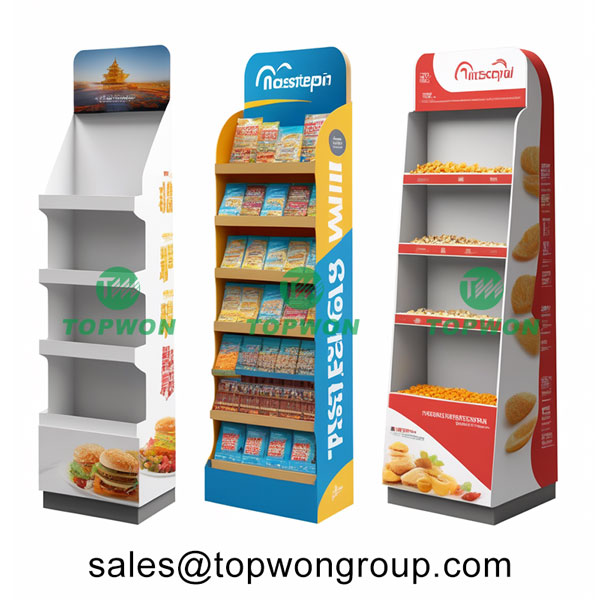
A snack display rack is usually an open shelving or merchandising structure used to organize and present products. It may be made from metal, wood, plastic, or corrugated cardboard.
The key difference is temperature control and construction.
| Feature | Snack display cabinet | Cardboard snack display rack |
|---|---|---|
| Temperature control | May be refrigerated, heated, or ambient | Ambient only |
| Typical products | Cold food, hot food, desserts, drinks | Packaged dry snacks |
| Construction | Glass, metal, stainless steel, plastic | Corrugated cardboard or paperboard |
| Mobility | Usually heavier and more permanent | Lightweight and easy to move |
| Best use | Food holding and professional food display | Retail merchandising and promotion |
| Customization | Mainly size, finish, and equipment options | High level of printing and structural customization |
| Operating cost | May require electricity and maintenance | No electricity required |
This distinction is important for retailers. Refrigerated or heated products generally need a proper food display cabinet, while packaged snacks can often be displayed more effectively using a cardboard snack display rack.
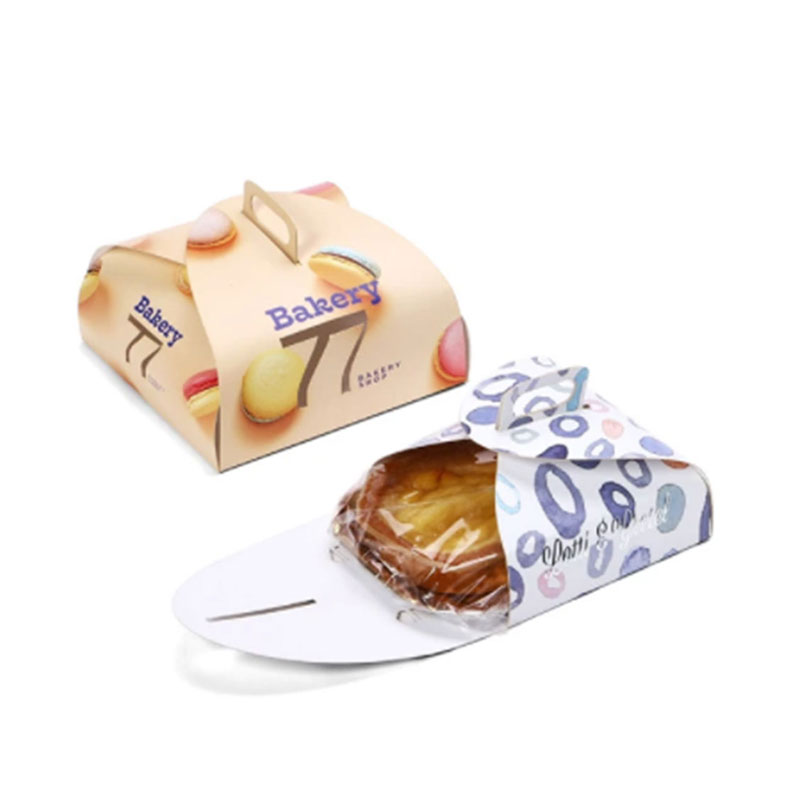
How to Display Packaged Snacks?
Packaged snacks should be displayed in a way that makes products easy to see, compare, and pick up. A well‑organized display can also encourage impulse purchases.
Recommended practices include:
- Place products at eye levelHigh‑margin, new, or priority products should be positioned where customers can see them immediately. Smaller products can be placed at checkout counters, while larger promotional displays can be positioned at aisle ends or store entrances.
- Group similar products togetherKeep similar products in clear groups, such as:
- Potato chips.
- Cookies and crackers.
- Candy and chocolate.
- Nuts and seeds.
- Protein bars.
- Children’s snacks.
- Seasonal products.
- Use vertical spaceA multi‑tier display rack can make better use of limited retail space. Different shelf levels can be assigned to different pack sizes, product categories, or price points.For example:
- Top shelf: new products or premium snacks.
- Middle shelves: best‑selling products.
- Lower shelf: family‑size bags or heavier products.
- Avoid overcrowdingProducts should not be packed so tightly that customers cannot remove them easily. Overcrowding can also hide packaging graphics and make the display look untidy.
- Use clear branding and signageA printed header card, shelf strip, or promotional message can communicate:
- New product.
- Special offer.
- Buy one, get one free.
- Limited edition.
- Healthy snack.
- Back‑to‑school promotion.
- Rotate stock regularlyStore staff should check product dates, move older stock forward, and replenish empty spaces during the day. Regular cleaning and stock rotation help maintain both product quality and display appearance.
Topwon Cardboard Snack Display Rack
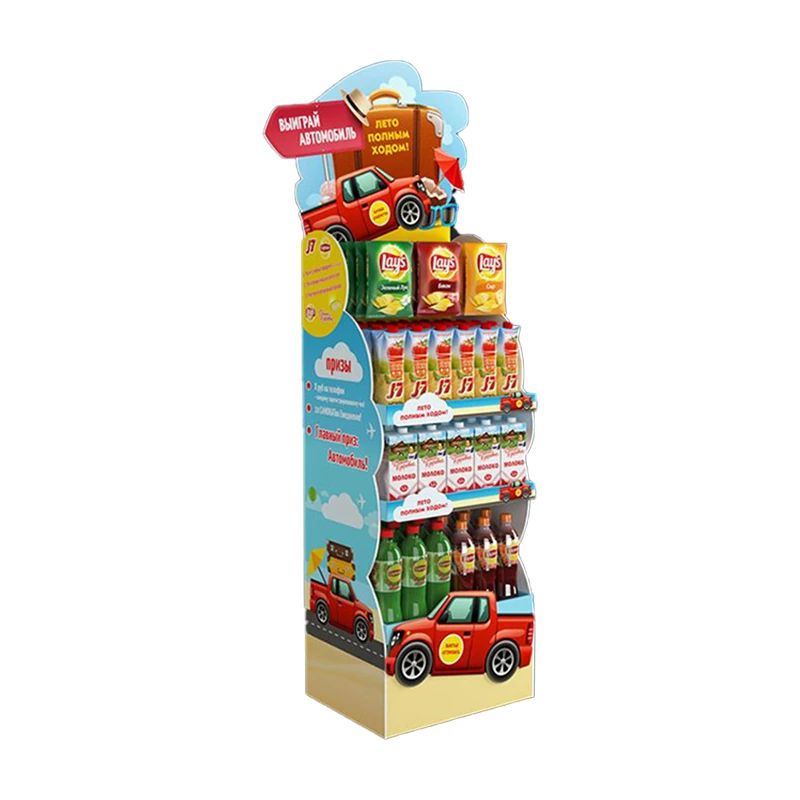
For packaged snacks, a cardboard snack display rack can be a practical alternative or complement to a traditional snack display cabinet.
Topwon specializes in the production of cardboard display racks for retail and promotional applications. Its cardboard snack display rack is designed for ambient packaged products that do not require refrigeration or heating.
What Is a Cardboard Snack Display Rack?
A cardboard snack display rack is a freestanding or countertop retail display made from corrugated cardboard or paperboard. It is used to hold and present packaged snacks in stores, supermarkets, convenience stores, cafés, checkout areas, and promotional zones.
Unlike a refrigeration cabinet, it does not control temperature. Its main functions are product organization, brand communication, space efficiency, and point‑of‑purchase promotion.
Suitable products
- Potato chips.
- Cookies.
- Crackers.
- Candy.
- Chocolate bars.
- Nuts.
- Snack bars.
- Protein bars.
- Dried fruit.
- Small boxed or bagged snacks.
The final structure should be designed according to the product’s dimensions, weight, packaging style, and expected display period.
Key advantages
- Flexible customizationCardboard displays can be customized in terms of:
- Overall height and width.
- Number of shelves.
- Shelf depth.
- Product dividers.
- Header board shape.
- Hanging hooks.
- Countertop or floor‑standing format.
- Brand colors and printed graphics.
- Strong visual brandingA cardboard snack display rack provides a large printable surface for brand communication. Graphics can be used to show the product logo, flavor, campaign theme, mascot, price message, or promotional offer.This is especially valuable for new product launches and limited‑time campaigns where the display needs to attract attention quickly.
- Lightweight and easy to deployCompared with metal or wooden fixtures, cardboard racks are generally easier to transport, assemble, relocate, and replace. They can be shipped in flat‑pack form, which may help reduce storage and transportation requirements.
- Suitable for short‑term promotionsCardboard displays are useful when a retailer needs a dedicated display for a product launch, holiday campaign, event, or seasonal promotion.Examples include:
- Halloween snack displays.
- Christmas gift snack displays.
- Summer beverage and snack promotions.
- Back‑to‑school campaigns.
- Sports event promotions.
- New product launches.
- No electricity requiredBecause a cardboard snack display rack operates at ambient temperature, it does not require a power connection. This makes it suitable for checkout counters, temporary sales areas, pop‑up stores, exhibitions, and locations where electrical access is limited.
- Complementary to display cabinetsA cardboard snack display rack does not replace every type of food display cabinet. Instead, the two products serve different purposes.For example:
- A refrigerated cabinet can hold sandwiches, dairy products, and chilled desserts.A heated cabinet can display hot pies or prepared food.A Topwon cardboard rack can display packaged chips, snack bars, cookies, or candy beside the cabinet.
Typical applications
- Checkout counter displays.
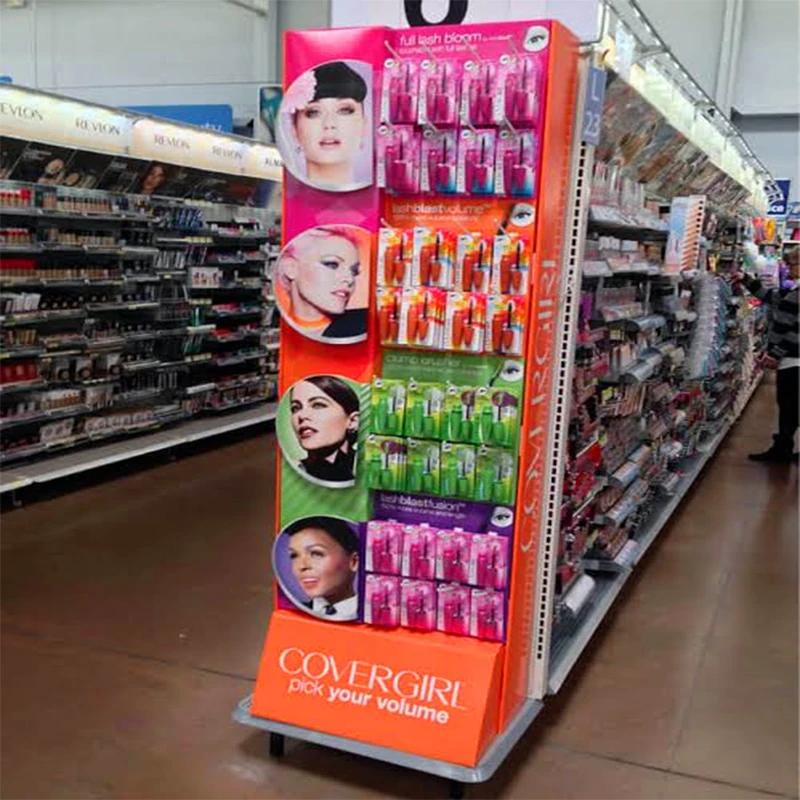
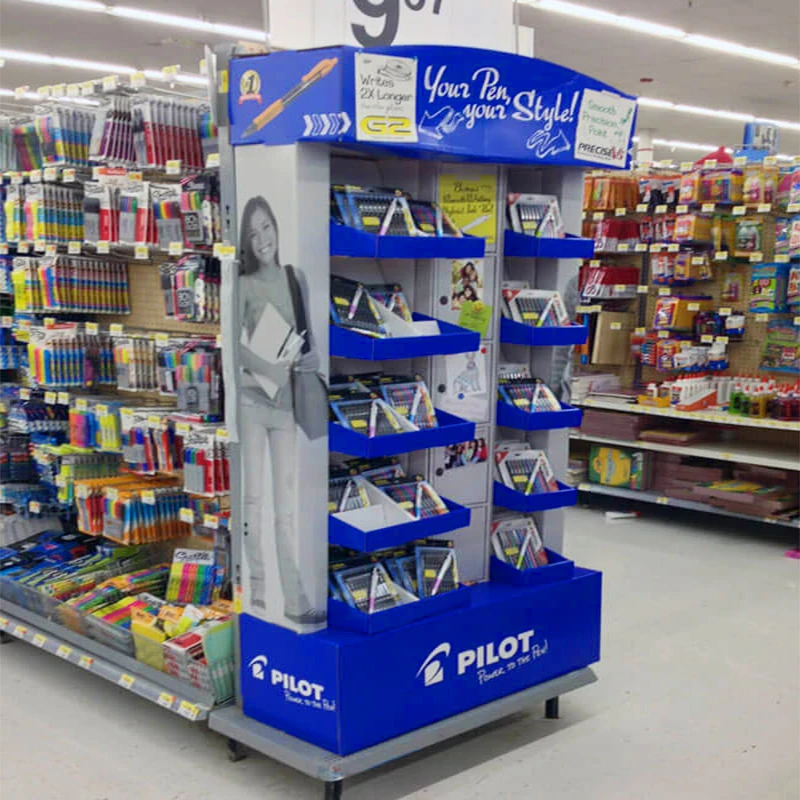
- End‑cap merchandising.
- Supermarket promotional zones.
- Convenience store aisles.
- Café counters.
- Gas station shops.
- Cinema snack areas.
- Trade shows and exhibitions.
- Seasonal retail campaigns.
- Brand sampling and product launches.
What Should Be Considered Before Production?
Before developing a cardboard snack display rack, the following information should be confirmed:
- Product dimensions and packaging type.
- Number of SKUs.
- Product weight per shelf.
- Required display capacity.
- Countertop or floor‑standing application.
- Expected campaign duration.
- Store placement and available space.
- Shipping and assembly requirements.
- Printing and branding requirements.
- Whether the display needs dividers, hooks, or trays.
A practical development process usually includes requirement confirmation, structural design, artwork preparation, prototype production, sample approval, mass production, and delivery.
How to Choose Between a Snack Display Cabinet and a Cardboard Display Rack?
The decision depends mainly on the product type and the sales environment.
| Requirement | Recommended solution |
|---|---|
| Products must stay cold | Refrigerated snack display cabinet |
| Products must stay hot | Heated snack display cabinet |
| Products are dry and packaged | Cardboard snack display rack or ambient cabinet |
| Long‑term permanent fixture | Commercial cabinet, metal rack, or built‑in unit |
| Short‑term promotion | Cardboard display rack |
| Strong brand storytelling | Printed cardboard display rack |
| Limited store space | Countertop cardboard rack |
| Mixed hot, cold, and ambient products | Combination of cabinet and rack |
A retailer may not need to choose only one solution. In many cases, the best result comes from combining a temperature‑controlled cabinet with a branded cardboard rack for packaged snacks.
What to Consider When Buying a Snack Display Cabinet?
Before selecting a cabinet, consider the following factors:
- Product temperature requirementsFirst identify whether the products need refrigeration, heating, or only ambient display. Using the wrong type of unit can affect product quality and food safety.
- Available spaceMeasure the available width, depth, and height. Also check customer flow, staff access, door clearance, and distance from heat sources or direct sunlight.
- Display capacityConsider the number of SKUs, product turnover, package sizes, and replenishment frequency. A cabinet that is too small will require frequent restocking, while an oversized unit may waste space and energy.
- Visibility and accessibilityGlass design, shelf position, lighting, and opening method all influence how easily customers can see and reach the products.
- Cleaning and maintenanceThe cabinet should be easy to clean, especially around shelves, glass panels, doors, seals, drainage areas, and food‑contact surfaces.
- Energy useFor refrigerated or heated models, check power consumption, cooling or heating method, lighting type, insulation, and local operating conditions. Open‑front refrigerated cabinets may offer easy access but often require more energy than closed‑door units.
- Climate and store conditionsStores in hot or humid environments may need equipment designed for higher ambient temperatures and humidity. Commercial refrigeration climate classifications are used to describe the conditions under which refrigerated equipment is tested.
Frequently Asked Questions
What is a display cabinet used for?
A display cabinet is used to present, store, and protect products while keeping them visible to customers. In food retail and foodservice, it may also refrigerate or heat products to help maintain their quality and serving condition.
How do you display packaged snacks?
Display packaged snacks by grouping similar products, placing priority products at eye level, using vertical space, keeping the shelves uncluttered, and placing promotional displays in high‑traffic areas such as checkout counters or aisle ends. Stock should be rotated and the display checked regularly.
What is a cabinet for food called?
A cabinet used for food may be called a food display cabinet, food showcase, refrigerated display cabinet, heated display cabinet, bakery display case, deli case, or ambient food display cabinet. The exact name depends on its temperature function, structure, and intended food products.
What are the types of food displays?
The main types of food displays are:
- Refrigerated food displays for perishable products.
- Heated food displays for cooked or hot foods.
- Ambient food displays for products stored at room temperature.
- Bakery and pastry display cases.
- Deli display cases.
- Open‑front self‑service displays.
- Countertop displays.
- Freestanding floor displays.
- Built‑in display counters.
- Cardboard point‑of‑purchase displays for packaged products.
What should you include in a snack box?
A snack box can include a balanced combination of packaged or ready‑to‑eat items, such as:
- Crackers or cookies.
- Nuts or seeds.
- Dried fruit.
- Granola or protein bars.
- Popcorn or chips.
- Chocolate or candy.
- A small beverage.
- Fresh fruit, where suitable.
- A branded promotional item for gift or campaign packaging.
The contents should match the target customer, occasion, package size, dietary requirements, and storage conditions. Products that require refrigeration should not be placed in an ambient snack box without suitable temperature control.
How do you make a snack organizer?
A simple snack organizer can be made by using a small cardboard box, corrugated board, dividers, and printed labels. The basic process is:
- Measure the snack packages.
- Decide whether the organizer will sit on a counter or floor.
- Create separate compartments for each product type.
- Add a stable base and dividers.
- Apply printed graphics or labels.
- Test the organizer with the actual product weight.
- Adjust the structure before production.
For commercial use, a professionally engineered cardboard snack display rack is usually more suitable because it can be designed for specific dimensions, loading requirements, branding, shipping, and repeated store deployment.
Conclusion
A snack display cabinet is a commercial food presentation unit that helps retailers and foodservice businesses display snacks while providing the required ambient, chilled, or heated environment.
For refrigerated and hot food, a specialized display cabinet is usually necessary. For dry, packaged snacks, a cardboard snack display rack can provide a lightweight, customizable, and cost‑effective merchandising solution.
Topwon’s cardboard snack display rack is especially suitable for branded retail promotions, checkout displays, end‑cap merchandising, convenience stores, cafe, supermarkets, and seasonal campaigns. When used alongside refrigerated or heated food display cabinets, it can help create a complete and well‑organized snack presentation area.
Previous Article
What is cardboard display snack boxes
Next Article
What can I use to display snacks on kitchen table
Trusted by These Featured Clients