

What are end cap displays
By Shenzhen Topwon Group Co.,Ltd
Sep 24, 2026
I. Preface
With the development of refined merchandising in physical retail, terminal display cabinets, as the core offline POP marketing carrier, determine store floor efficiency and traffic conversion. The End‑Cap display stand occupies the golden flow position at the shelf end and is widely used in supermarkets, grocery stores and other channels to serve SKUs to create momentum, introduce new products and promote sales. At present, many stores lack display SOPs, space utilization rates are insufficient, the load‑bearing threshold of cabinets is ignored, and flow value is difficult to release. This paper analyzes the core of terminal display, sorts out the types of terminal display, practical skills, efficiency strategies and hardware parameters, analyzes display misunderstandings and supporting FAQs, and constructs a standardized terminal display knowledge system.
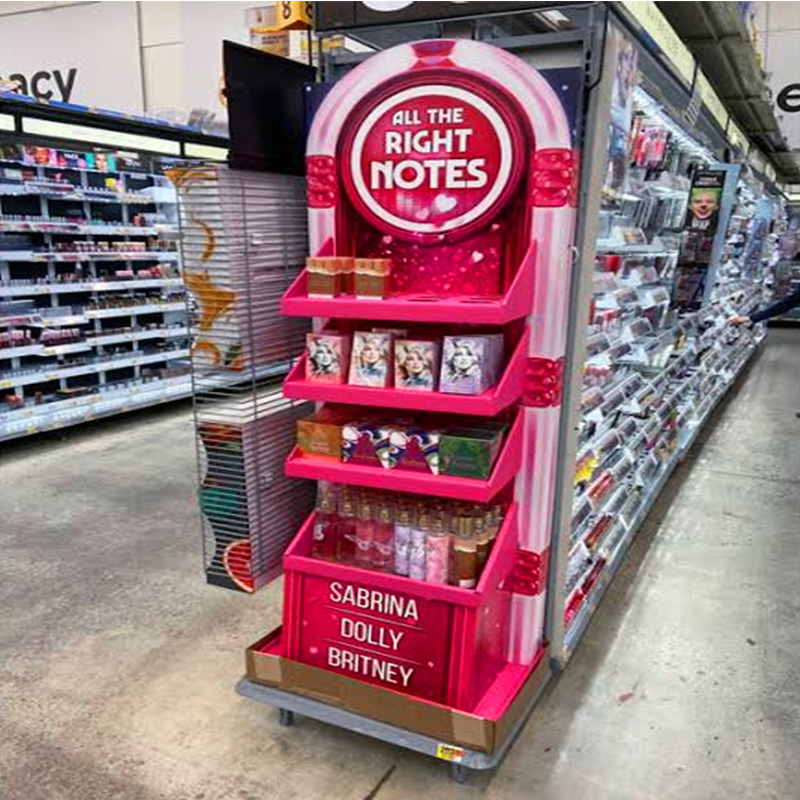
II. What is the end‑cap display stand?
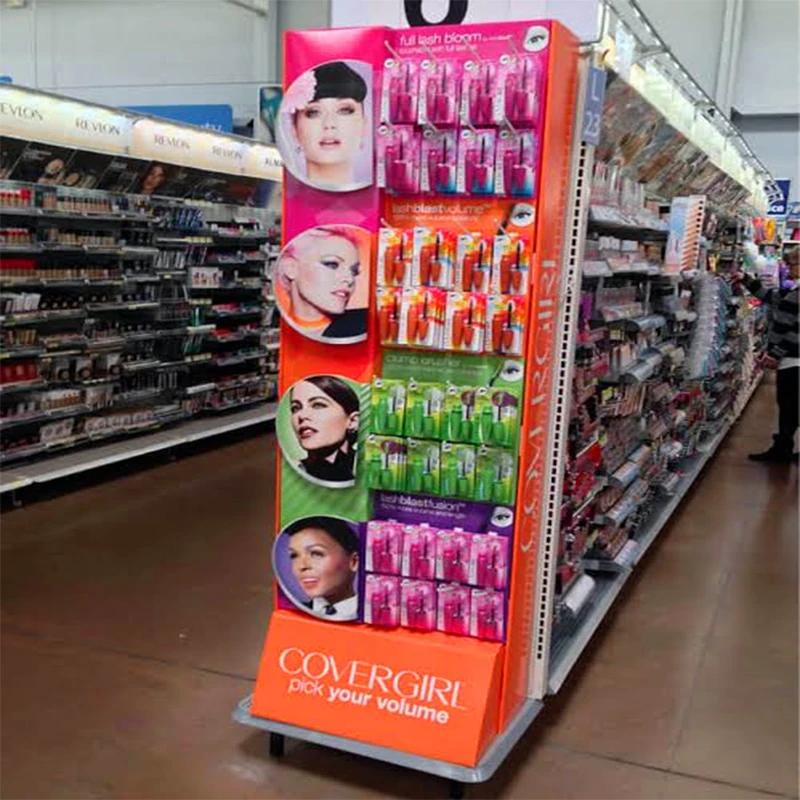
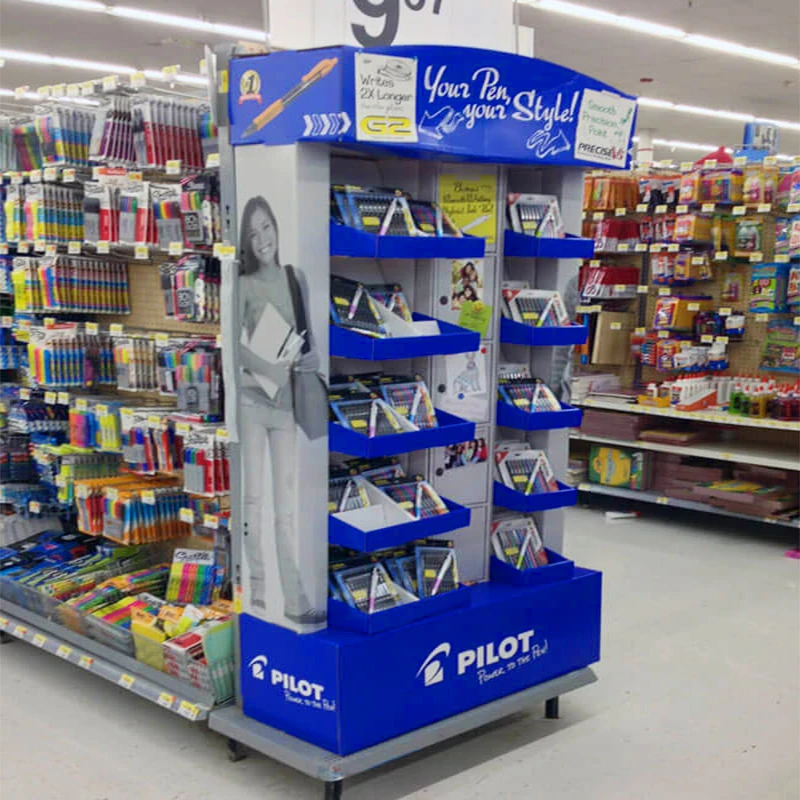
End‑Cap display stand refers to the special display props arranged at the end of the shelf. It belongs to the core POP marketing carrier in offline merchandising, occupies the golden point of store traffic, has high customer visibility and reach rate, and is mostly used for explosive‑product promotion, new‑product listing, activity promotion and inventory cleaning.
Retail terminal display is an offline marketing behavior that leverages display props, goods arrangement and spatial layout to complete SKU visual presentation, transmits product and brand information, grabs the attention of store customers, stimulates impulse purchases, promotes product sales, and finally realizes the improvement of store efficiency.
III. The mainstream classification of end‑shelf display
End‑shelf display is the core means of retail terminal merchandising. According to marketing purpose, display form and prop material, it can be divided into four mainstream types to adapt to different store operation scenarios.
Promotional end frame
It focuses on short‑term traffic conversion and adapts to limited‑time discounts, holiday promotions, seasonal sales and inventory‑clearance scenarios.
Leveraging terminal gold flow positions, it works with POP materials to build a stronger marketing atmosphere.
High-turnover, cost-effective SKUs are selected to trigger shoppers’ impulsive buying and quickly lift short-term in-store revenue.
This display type remains the most widely adopted solution in supermarkets and grocery stores.
Product promotion type end frame
It focuses on brand exposure and product awareness building. It is mainly used for new‑product listing and key single‑product promotion. Its display vision is neat and unified; price‑oriented marketing is de‑emphasized, while product selling points and brand image are highlighted. It completes user awareness building with the help of high‑exposure terminals and consolidates the long‑term marketing foundation of products.
Associated combined end frame
It follows the logic of complementary scenario‑based display and breaks traditional category division to display matching and associated SKUs in combination. By guiding customers to make joint purchases, it can effectively improve stores’ joint purchase rate and customer unit price, maximize the efficiency value of a single end shelf, and adapt to daily operations of comprehensive retail stores.
Customized cardboard end frame
It belongs to lightweight customized display props made of corrugated cardboard.
Low cost, simple assembly and disassembly, plus full-page theme customization define its core strengths.
Brands can deploy it flexibly for short-term campaigns and new product flash promotions to satisfy personalized visual launch demands.
However, this solution only supports light-weight merchandise display and serves mostly temporary terminal marketing activities.
IV. Efficient end‑frame display: best practices for implementation
End‑shelf display is the core module of offline retail visual commercialization. To be more precise, we can split it into four standardized types based on marketing scenarios, display logic and prop materials, so as to precisely meet store marketing and brand operation demands.
Promotional end frame
It acts as a short‑term drainage‑and‑conversion carrier for terminals and fits limited‑time promotion, festival marketing, seasonal distribution and inventory turnover scenarios.
By making use of terminal gold flow points, it uses POP materials to strengthen marketing visuals.
High-turnover SKUs take center stage to trigger consumers’ impulsive consumption and quickly lift short‑term in‑store GMV.
This standardized display solution is widely used in supermarkets and community stores.
Product promotion type end frame
Centered on user awareness building and brand exposure, it is mainly applied to new‑product introduction and core single‑product promotion scenarios. It adopts standardized and regular display, weakens price‑driven marketing attributes, and focuses on presenting core product selling points and the brand VI system. It relies on high‑exposure positions to cultivate consumer awareness and empower long‑term product sales.
Associative combined end‑frame
It follows associative‑display rules, breaks inherent category‑division logic, and presents SKUs with scenario‑complementary and function‑matching features. It effectively improves goods’ joint‑purchase rate and store customer unit price, maximizes single‑point efficiency, and achieves in‑depth utilization of terminal traffic value.
Customized cardboard end frame
These are lightweight customized terminal display props constructed from corrugated cardboard. They offer low‑cost deployment, easy disassembly and brand‑theme graphic customization. They fit short‑term flash marketing and phased new‑product promotion and serve as core props for lightweight terminal marketing.
V. Advanced Skills: How to maximize the sales effect of end‑shelf display?
The end shelf is a high‑potential gold display point in offline retail and a core carrier for incremental terminal merchandising operations. Standardized advanced operation strategies can effectively improve spot efficiency, SKU sales rate and traffic conversion rate and maximize the value of terminal resources.
Scene‑based thematic display
Carry out themed grouped‑goods display according to scenario‑marketing logic, combined with seasonal cycles, festival nodes and user consumption scenarios. Unify the terminal VI visual system, build an immersive consumption scenario, reduce users’ decision‑making cost, and strengthen the overall turnover of the category.
Channel moving‑line drainage display
Leverage the passenger‑flow interception advantage of the end frame. Adopt front‑layout for drainage‑oriented SKUs to optimize store flow lines, draw deep‑field passenger flow, realize high single‑point exposure to drive cross‑category linkage sales, and deliver incremental efficiency improvement for terminals.
Associative cross‑display
Follow retail cross‑display rules, combine and arrange complementary and supporting SKUs, tap hidden consumption demands, improve joint‑purchase rate and customer unit price, and break single‑item sales bottlenecks.
Visual hierarchical promotion implementation
Establish a standardized POP visual merchandising system, present hierarchical signs and core selling points visually, enhance information‑delivery efficiency, shorten conversion paths, and greatly improve promotion‑implementation conversion rates.
Data‑driven dynamic optimization
Build an iterative display mechanism based on SKU turnover rate, sales data and passenger‑flow conversion data. Dynamically optimize golden‑tier layout and product‑selection structure, continuously optimize the end‑rack input‑output ratio, and realize refined terminal operations.
VI. Core benefits and retail advantages of end‑shelf display
End‑shelf display is a core operation tool for refined merchandising in physical retail. Relying on high‑potential shelf‑end positions, it can comprehensively improve terminal operation efficiency and channel realization value.
| Benefit Category | Description |
| Traffic benefits | It occupies prime store channel positions with strong passenger‑flow interception capability. Its visual coverage outperforms conventional shelves, greatly lifting SKU exposure frequency and natural traffic utilization rate. |
| Sales benefits | It accurately triggers consumers’ impulsive consumption mentality and accelerates goods turnover efficiency. Combined with associated display, it can effectively boost joint‑purchase rate and customer unit price and continuously raise in‑store GMV and terminal‑sales performance. |
| Brand benefits | Standardize the terminal VI visual system, unify offline display image, strengthen brand recognition, deeply embed brand perception among users, and consolidate the long‑term operation foundation for channels. |
| Cost‑benefit | As a lightweight marketing carrier, it features low investment, high exposure and high conversion and significantly improves terminal ROI. |
| Operation benefits | Optimize store space utilization and customer flow lines, properly accommodate new products, seasonal goods and slow‑moving inventory, revitalize low‑efficiency SKUs, optimize store inventory‑turnover structure, and realize refined merchandise operations. |
VII. Hardware parameters of end frame: load‑bearing capacity and size specification
Hardware parameters for end frames serve as standardized hardware benchmarks for terminal‑prop selection. They directly determine display‑structure stability, load‑safety thresholds and scenario adaptability and act as core foundations for compliant display and long‑term retail‑terminal operations.
| Item | Specification Details |
| Conventional supermarket / grocery‑store metal & acrylic end frame load‑bearing | The industry‑standard single‑layer static load ranges from 15‑35 kg, and the cabinet’s total rated load can reach 80‑150 kg. They fit regular display for all categories of fast‑moving SKUs, offer excellent deformation resistance, and satisfy long‑term high‑frequency display conditions. |
| Cardboard end‑cap display stand load‑bearing characteristics | These are lightweight flash‑display props. Corrugated structures have low upper load limits; single‑layer safe load capacity is only 3‑10 kg. They are only suitable for light‑weight goods such as light‑duty daily‑chemical products, snacks and small cultural‑creative goods and are restricted to short‑term promotion scenarios. Overload stacking is strictly prohibited to avoid structural‑failure risks. |
| Mainstream industry dimensions | 400–600 mm width × 1200‑1800 mm height. Support infinitely adjustable shelf spacing of 150‑350 mm and fit standard‑store flow lines. |
| Customization support | Non‑standard customization is also available: special‑shaped, widened or heightened end frames can be produced according to store‑channel scale, brand VI and theme‑marketing scenarios to satisfy differentiated terminal‑launch requirements. |
VIII. Common misunderstandings that must be avoided in end‑frame display
End‑shelf display belongs to the refined terminal‑merchandising system. Poor marketing outcomes in most stores stem not from isolated issues but from misunderstandings in standardized operations, which cause traffic waste, conversion loss and terminal price‑system disorder.
Over‑spreading and stacking goods
High‑density disorderly stacking destroys visual hierarchy of display, triggers terminal‑display chaos, reduces consumers’ browsing willingness and purchase impulse, and directly weakens spot turnover performance.
Lagging display iteration
Long‑term static display content easily leads to user aesthetic fatigue, reduces terminal freshness and passenger‑flow attraction, and brings continuous decline in spot traffic potential.
Product selection without thematic focus
Mixed and disordered SKUs without scenario logic fail to present core‑product selling points, weaken category‑awareness building effects, and make effective mental penetration and single‑product promotion hard to achieve.
Ignoring ergonomic experience
Unreasonable goods height, such as overly high placement, obstruction and difficult access, violates terminal ergonomic‑display standards and greatly reduces customer experience and transaction rates.
Unbalanced display resources
Over‑emphasis on end shelves while neglecting conventional shelves fragments store‑display resources, damages overall channel‑display performance, and harms full‑category marketing and terminal‑standardization assessments.
Disordered price system
Arbitrary end‑shelf discount settings and unbalanced promotion intensity easily trigger price‑band confusion, damage product‑pricing systems and channel‑profit order, and create hidden risks for long‑term terminal marketing.
IX. FAQ
Q1: What is end‑cap display?
End‑cap display, namely end‑frame display, is an exclusive terminal‑display format placed at shelf‑channel ends and represents stores’ core gold‑grade display positions.
Q2: What is end‑cap display in grocery stores?
It refers to special end‑shelf display for grocery stores, focused on promotion of snacks, daily‑use fast‑moving consumer goods, seasonal updates, with light‑weight structure, high flexibility and frequent content updates.
Q3: How can end‑shelf display drive product sales?
Leverage high‑exposure advantages to present limited‑time discounts, give‑away offers and new‑product campaigns, strengthen promotion atmosphere, rapidly clear inventory and boost sales volume.
Q4: Can end frames promote only a single product?
Yes. Single‑product‑dedicated end frames build brand‑endorsement perception, strengthen single‑product hit‑item awareness, and fit new‑product launches and high‑margin flagship SKUs.
Q5:Must multiple types of goods be placed on end shelves?
No. You can focus on a single product or combine multiple products; settings can be flexibly adjusted according to promotion objectives.
Q6: Why is product placement inside end frames critical?
Placement determines exposure rate, customer reach rate and purchase intention. Sight‑level golden positions and easy access directly affect final sales results.
Q7: What benefits can end‑shelf display bring to retailers?
Improve passenger‑flow conversion, trigger impulse consumption, optimize space utilization, cut marketing costs, build store differentiation and lift overall sales performance.
Q8: Can end‑shelf displays be customized?
Full customization is supported: dimensions, materials (cardboard / metal), color matching, LOGO, theme graphics and structural styles can all be customized.
Q9:Are there size constraints for end‑shelf displays?
Standard sizes are offered by mainstream suppliers; meanwhile custom dimensions are available based on store space and requirements for grocery stores, chain outlets and boutique retail sites.
X. Summary
End‑cap display stand is a core visual‑commercialization carrier for retail terminals. Widely deployed in supermarkets, grocery stores and retail outlets, it supports diverse business scenarios including promotional campaigns, new‑product rollouts and inventory liquidation.
The core logic for terminal‑display implementation is to fully tap value from high‑potential terminal traffic spots. Through proper prop selection, display techniques and data‑driven iteration, while respecting hardware load specifications and avoiding display pitfalls, you can achieve multi‑dimensional gains covering traffic, sales, branding, cost and operations, and effectively improve store efficiency and SKU turnover rate.
Physical retail is moving toward refined operations. Mere goods stacking cannot build competitive advantages. Only by combining scientific display strategies with customized visual design can the full potential of terminal spots be unlocked, forming an important efficiency‑and‑revenue‑boosting instrument for offline retail terminals.
Previous Article
General merchandise retail store layout ideas
Next Article
Do end cap displays increase sales?
Trusted by These Featured Clients