

How to do retail store lighting design
By Shenzhen Topwon Group Co.,Ltd
Sep 23, 2026
Nowadays, frequent shoppers have increasingly higher expectations for in-store experiences. To meet customer demands, aside from staff service, product quality stands foremost, followed by overall store image. When it comes to building a https://www.topwongroup.com/cardboard-displays-design-service/premium store image, four core elements are essential: highly creative thematic design, reasonable spatial layout, high-end soft furnishing, and professional lighting presentation. Some retailers still underestimate store image packaging, believing that product quality is the sole priority. However, store presentation is an integral part of product value, and exquisite packaging greatly complements product competitiveness.
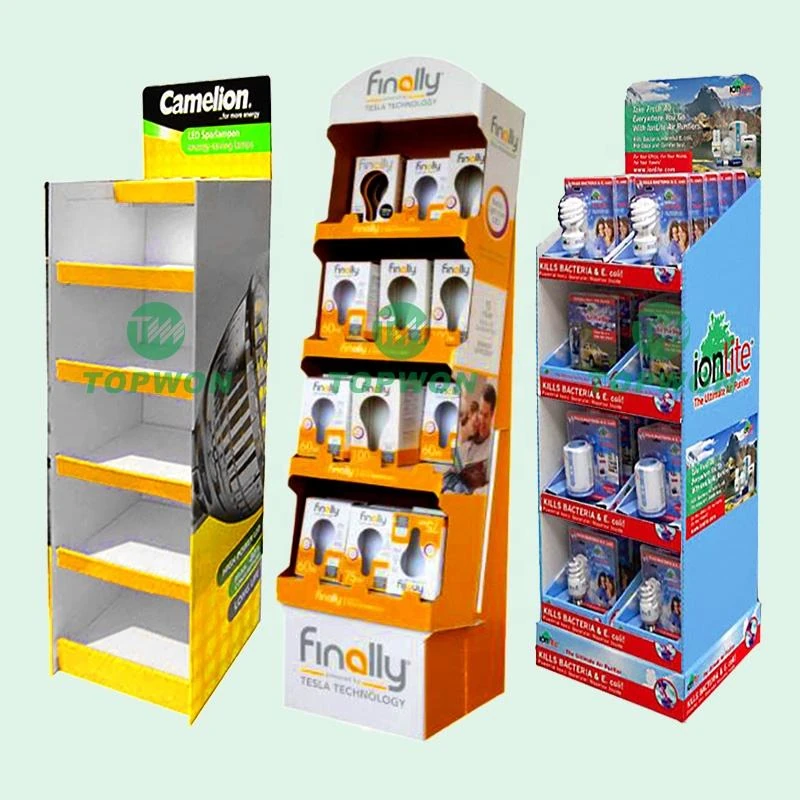
Storefront image and scene construction cover a wide range of topics. This article focuses specifically on the design and practical application of store lighting. Lighting is favored by most merchants for store upgrading because it delivers prominent visual effects with low investment costs, compared with space renovation, thematic planning and soft decoration upgrades. Below we explore how customized lighting solutions optimize and elevate the overall in-store shopping experience.
1. Reasonable Scientific Lighting Layout
A standardized and reasonable lighting layout is the foundation of high-quality in-store lighting design. Merchants only need to clarify their brand positioning, store style and functional needs to professional lighting designers for targeted customization. Professional designers will conduct scientific analysis and reasonable light distribution to balance three core indicators: shopping comfort, customer flow guidance and product display effect, creating a comfortable and orderly shopping atmosphere.
2. Exquisite Lighting Detail Decoration
Detailed lighting processing further polishes the store’s soft decoration texture and enhances subtle sensory experiences. Basic supplementary lighting such as linear lamp fill light and floor lamp fill light lays a foundation for uniform store brightness, while refined lighting details serve as decorative embellishments to enrich store layers.
Most retail stores are decorated with flowers, paintings, sculptures and other art decorations. These ornaments can easily resonate with customers, and delicate lighting matching can make store features stand out and gain favorable customer recognition. When decorating with auxiliary lights, retailers need to avoid disrupting the original store atmosphere and overusing spotlights that cause overall visual imbalance.
The optimal solution is to adopt low-power spotlights for perspective lighting, bottom-up flood lighting, or linear lamps to outline the outline of decorations. Although these detailed adjustments are slightly tedious, they create exquisite visual effects without complicated spatial layout modifications. Such subtle lighting optimizations can deliver a finishing touch to the overall store style and effectively improve the retail commercial display effect.
3. Creative Lighting Design Bonus
Lighting is essentially an auxiliary display element, so creative design should be moderate and coordinated with the overall store style. For youthful, dynamic and trendy retail spaces, personalized creative lighting design can perfectly fit the store positioning and bring surprising visual bonuses. Linear lighting is the core tool for creative store lighting design, serving as a versatile solution for upgrading store visual effects.
Simply arranging linear lights on blank walls can instantly attract customer attention. Retailers can also use linear lights to create vivid luminous patterns and colorful abstract artistic shapes, realizing diversified creative visual effects with low cost and high flexibility. In addition, embedded light box design, customized lampshade collocation and artistic color temperature wall installations are all excellent creative lighting solutions.
Creativity is the core competitiveness of modern retail stores. In the fiercely competitive commercial environment, stores lacking creative design are easily eliminated, as they fail to form differentiated brand features and cannot provide targeted service attitudes and unique shopping experiences. Therefore, retailers need to integrate cross-industry design concepts, observe life aesthetics, and dig into consumer aesthetic needs to create humanistic, fashionable and artistic store creative solutions.
All visual elements including store colors, shapes, landscapes and spatial composition rely on lighting to present perfectly. Excellent lighting design can highlight product features, shape store temperament, leave a deep impression on consumers, and effectively boost retail retail sales. On the contrary, unreasonable lighting matching will make high-end boutiques look cheap and affect the overall brand image.
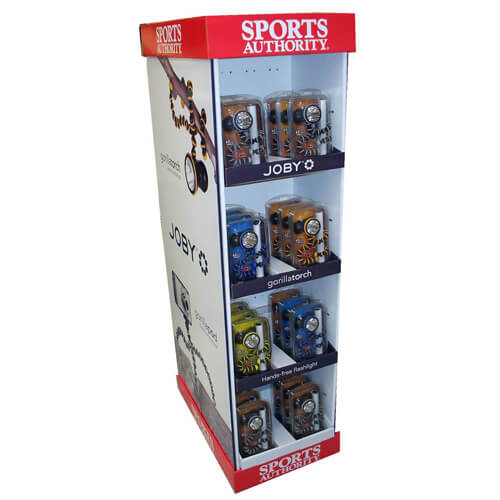
Reasonable, detailed and creative lighting design has become an indispensable part of modern store operation and image building. It helps merchants create differentiated store styles, optimize customer shopping experience, and build unique brand market competitiveness with low-cost and high-efficiency visual upgrades.
FAQ
1. Why is lighting design important for retail stores?
Lighting is the core carrier of store visual presentation. It can optimize shopping comfort, guide customer flow, highlight product display effects, shape store brand temperament, and help stores form differentiated competitive advantages to attract more consumers.
2. What are the key points of store creative lighting design?
Store creative lighting needs to be coordinated with the overall store style, avoiding excessive and exaggerated design. It is recommended to use linear lights, customized lampshades and artistic light installations to create layered and trendy visual effects, taking into account both aesthetics and practicality.
3. How to balance lighting aesthetics and practicality in retail spaces?
First, complete a scientific basic lighting layout to ensure shopping comfort and product display clarity. Then, use low-power auxiliary lights and linear lights for detailed embellishment and creative design, avoiding excessive lighting modification that disrupts the original store atmosphere, so as to realize the unity of beauty and practicality.
Previous Article
Master Guide to Supermarket Visual Merchandising: How Custom Cardboard Displays Drive Retail Sales
Next Article
General merchandise retail store layout ideas
Trusted by These Featured Clients