

Corrugated Cardboard vs. Cardboard: What You Need to Know
By Shenzhen Topwon Group Co.,Ltd
Oct 27, 2026
One flimsy display rack could send your retail promotion crashing down! Choosing corrugated cardboard over regular cardboard can make or break your bulk display order. The difference? Strength, shelf stability, and shipping costs.
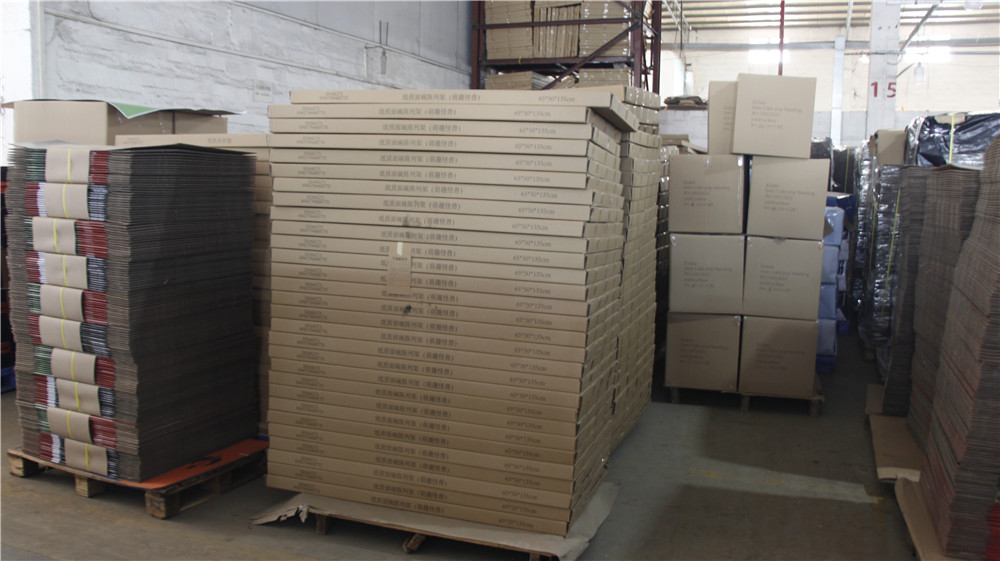
Corrugated cardboard features fluted layers built for heavier loads, while regular cardboard suits lighter applications. But which material delivers better printing, customization, and value? Before placing a big order, know what you’re paying for.
Key Notes for Corrugated Cardboard Choices
- Strength vs. Printability: Corrugated cardboard uses fluted layers for cushioning, stacking strength, and shelf stability; regular cardboard is lighter and better for simple, high-quality print jobs.

- Display Build: Knock-down formats, interlocking joints, and reinforced base pedestals help racks ship flat and assemble quickly in retail spaces.
- Performance Checks: Look for ECT, burst strength, dimensional tolerance, and drop test compliance to reduce damage during transport and high-traffic use.
- Value Drivers: Custom dielines, aqueous coating, and sustainability compliance can raise upfront cost but improve durability, branding, and long-term efficiency.
TD1 Corrugated Cardboard Basics
Any warehouse trip shows stacks of corrugated cardboard holding the supply chain together. It’s cheap, light, and cleverer than it looks. Most buyers never peek past the label. Below is the short version of flutes, board grades, cutting, and recycling — the stuff that decides if a box survives a truck ride or arrives looking like a pancake.
Flute Type and Basis Weight Essentials
Flute size sets the trade-off. A-flute cushions hard but prints poorly. B-flute gives up a little spring for flatter printing. C-flute is the everyday middle. E-flute and F-flute stay thin and shelf-ready. Heavier basis weight — grammage, in plain talk — packs more fiber into a given caliper, so stacking strength climbs.
Kraft Linerboard, Bursting Strength, and Edge Crush Test
Kraft linerboard gives a box its muscle; test liner and medium paper fill out the rest of the sandwich. Two numbers matter. Bursting strength, read off a Mullen test, measures resistance to rupture. A single ECT value from the Edge Crush Test predicts how much weight a pallet will bear.
Die-Cutting, Rotary Scoring, and Aqueous Coating
Converting runs in a simple rhythm. Flat die-cutting stamps custom shapes. Rotary scoring and creasing press in fold lines so panels bend cleanly. Aqueous coating or varnish seals flexographic printing against scuffs, and slotting earlier cuts the flaps. topwon handles the whole run under one roof.
Recyclability Certification and Moisture Resistance
Recyclability hinges on keeping sheets clean enough for the standard corrugated recycling stream, which is why FSC certification or SFI certification claims get audited. Moisture resistance is a separate fight. Wax coating wrecks the recycle stream, while a water-based barrier keeps corrugated cardboard dry in muggy warehouses without that cost. topwon stocks both finishes.
TD1 Corrugated Cardboard vs. Cardboard
Every parcel on the porch owes its survival to paper, and most folks mix up corrugated cardboard with the flimsy stuff inside a gift box. The gap matters for shipping costs, crushed freight, and shelf appeal. Here’s the short version.
Corrugated Cardboard
Rip open a shipping container and the wavy middle shows right away. That’s fluting, glued between flat linerboard sheets, and the wavy medium hands the board its strength.
- How it acts in transit
- Cushions shocks, so fragile goods ride safer
- Fights crushing when cartons stack deep
- Where it pays off
- Mailers crossing the country
- Retail display racks that need durability
- Inserts keeping parts from rattling around
Corrugated cardboard comes in fine to chunky flute sizes, and each grade trades stiffness for give. Grab the wrong one and pallets slump. Grab right and the packaging just works, no fuss.
Cardboard
Most shoppers know this as the cereal box or the sleeve around a hot drink. It’s paperboard, single-ply and pressed flat, with no wavy middle anywhere in it.
- Thin sheets crease cleanly on a folding carton line
- Ink sits sharp, so colors pop on the shelf
- Load limits stay modest — great for soap, rough on a fridge
Thickness climbs along with stiffness. A lightweight craft grade suits gift boxes; heavier stock hauls small appliances. Cardboard like this won’t shoulder a full pallet of freight, and that honest trade-off is exactly why both kinds still earn their place.
TD3 Cardboard Types for Display Racks
Corrugated cardboard racks do the heavy lifting on a shop floor without making a fuss. Pick the right build and you save on freight, set up fast, and keep products standing tall when shoppers crowd in. Here’s how four choices shape that result, from the carton to the shelf.
Knock-Down Format for Flat-Packed Shipping
- Ship flat, save cash
- A flat-pack design shrinks transit volume, so more units fit on each pallet.
- A die-cut fold opens in seconds, boosting assembly efficiency.
- Backroom wins
- A small storage footprint keeps stockrooms clear.
Interlocking Slotted Joints and Base Pedestal Designs
A slot mechanism snaps together by hand. Line up each tab alignment point and a friction fit holds the frame. No glue, no tools. A wide load-bearing base then spreads weight distribution evenly, which keeps the unit steady. topwon builds corrugated board pedestals this way for rigid assembly and structural stability.
Header Board Options for Seasonal Promotional Zone Displays
- Removable header
- Swap the graphic panel each season.
- Clip on signage attachment pieces for sales.
- Integrated header
- A die-cut topper carries brand messaging all year.
Gloss lamination makes visual merchandising pop under store lights.
Shelf Load Capacity in High-Traffic Placement
Stick to your weight threshold. Each flute profile handles a different product support need in a busy retail environment.
| Flute | Thickness (mm) | Typical shelf load (kg) | Edge crush (kN/m) |
|---|---|---|---|
| E | 1.5 | 5 | 4 |
| B | 3.0 | 10 | 6 |
| C | 4.0 | 15 | 7 |
Run durability testing before launch. Strong cardboard shrugs off bumps, and good stress resistance and impact strength keep shelves flat.
TD1- Corrugated Cardboard Cost vs. Value
Cardboard boxes look cheap until something slips. Real money hides in design work, supplier trust, strength testing and recycling rules. Spend a little early on corrugated cardboard, or spend plenty later fixing it.
Prototype Sampling and Custom Dieline Template Costs
- Prototype sampling: a 50–100 unit run exposes glue flaps that won’t fold before you pay for steel tooling.
- Custom dieline: one locked template kills reprints and hand-trimming on the packing line.
- Structural layout: mock it up in plain kraft board, then commit to spec.
Lead Time Schedule vs. Supplier Audit Report Confidence
A lead time promise for corrugated cardboard means little without a supplier audit behind it — real capacity, scrap rate, who signs off on quality. Numbers tell the tale faster than a sales pitch does.
| Stage | Weeks | Audit score | Risk |
|---|---|---|---|
| Plates and die | 2–3 | 92/100 | Low |
| Print run | 1–2 | 88/100 | Medium |
| Delivery window | 1 | 85/100 | Medium |
Dimensional Tolerance, Drop Test Compliance, and Edge Compression Resistance
- Measure dimensional tolerance on real samples. Two millimetres of drift jams an automated case packer.
- Run a drop test from 76 cm with the carton loaded the way it actually ships.
- Match edge compression resistance to stack height. An ECT rating below the load means crushed corrugated board by week two.
Sustainability Compliance That Improves Long-Term Value
Sustainability compliance turned into a buying gate, not a badge. Certified fiber and heavier recycled content nudge the unit price up a touch. Weighed against lighter board, fewer returns and lower disposal fees, the five-year bill tends to drop. Recyclable material is also simply easier to sell.
Previous Article
CPG Corrugated Shipper Displays: Protect Cargo, Boost Impulse Purchases
Trusted by These Featured Clients