

Sporting Gear Display Solutions: A Practical Guide for Sports Retail Stores
By Shenzhen Topwon Group Co.,Ltd
Aug 12, 2026
As the old saying goes, “Life lies in movement”. Physical exercise serves as one effective way to improve human physical condition and brings great benefits to the human body. Busy work should never stop people from working out, since good health forms the foundation of everything. Follow the standards below to build attractive store displays and hold customers’ attention.
1. Neatness and Standardization
Arrange in‑store goods in good order and keep the space clean. Keep shelves free of dust and stains, hang items smoothly, clear rubbish off floors, and stack goods stably with uniform facing directions. Failure to meet these basic rules will drive most customers away. Think about your own shopping experience. Would you keep shopping after walking into a messy store? Most people would choose to leave.
Standardization covers store‑area division, shelf sizes, and clothing display, folding and sample presentation. Follow unified standards from brands or common industry rules. Group products by color system or theme for simple, tidy and generous layouts. Keep balanced color tones across sales floors. Create strong visual color impacts on single wall panels or full wall surfaces with matched product colors.
2. Rationality and Harmony
Plan store aisles scientifically. Place shelves and display tools according to customers’ shopping habits and ergonomics. Match zone division with brand promotion and marketing strategies. Build rhythmic product arrangements with well‑matched colors, and keep consistent style for both inside and outside the store.
2.1 Sensible zone division
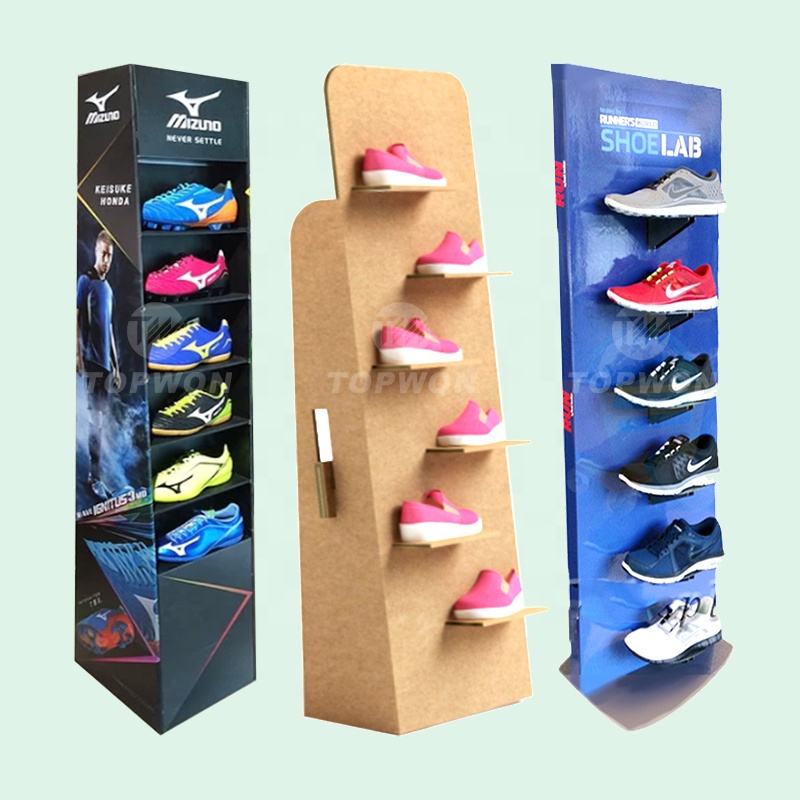
Sort goods by product categories, such as ball‑sports zone, racket zone, fitness‑equipment zone and outdoor‑goods zone.
2.2 Equipment placement rules
Ball‑sports zone: Vertically display basketballs, footballs, volleyballs and more by brand or price range. Use display racks to highlight key promoted items.
Racket zone: Group badminton rackets, tennis rackets and table‑tennis rackets by type. Match them with balls and protective gear for convenient one‑stop shopping.
Fitness‑equipment zone: Classify massage devices, resistance bands, hand grippers and other goods by function. Set up trial areas for customer hands‑on experience.
Detail optimization: Use lights and decorations for setting accents. Refresh displays regularly to maintain novelty. Build display sections near checkout counters to encourage impulse purchases.
3. Fashion and Style
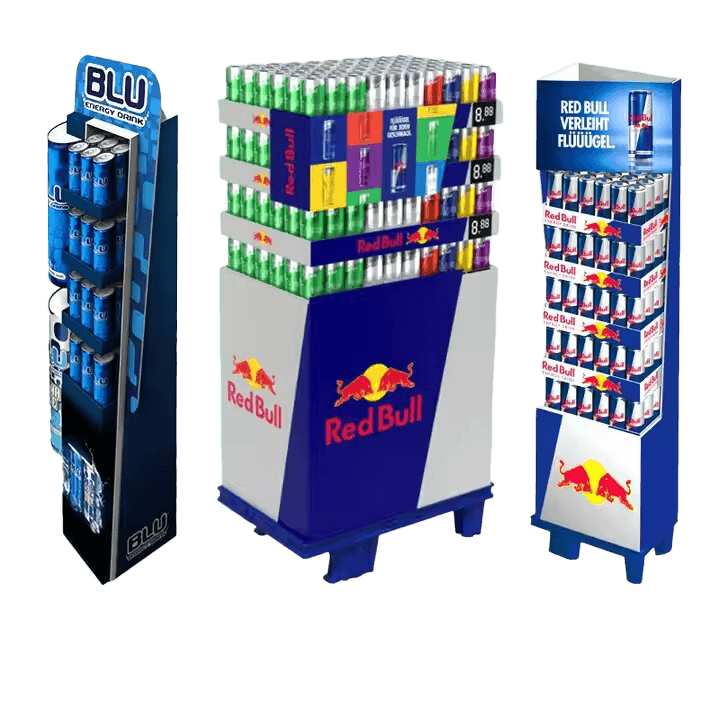
Sports goods carry fashion attributes. Apply trendy theme colors for sales floors. Store displays should show promoted products and featured colors clearly and deliver fashion messages. Keep overall lighting bright but not harsh. Maintain tidiness and layered product classification to create positive first impressions. Master display skills to trigger customers’ intuitive feelings, and achieve twice the sales result with half the effort.
At its core, retail space planning for fitness goods focuses on “balance” and “purpose”. It is not blind superstition, but a practical life philosophy for space arrangement. Sort and store different fitness devices properly in suitable positions. Make customers feel at home inside the store. This feeling inspires purchase desire and helps hit sales targets.
4. FAQ (Frequently Asked Questions)
Q1: How often should stores change their product displays?
A1: Stores can update regular displays every 1 to 2 weeks. They adjust themed displays promptly when new products launch, seasons change, or major sports events take place. Regular refreshes keep the store feeling fresh and encourage repeat customer visits.
Q2: What is the core rule for zoning sports goods in a store?
A2: The core rule puts customers first. Store staff divide zones by product type and match common shopping habits, so shoppers find items easily and move through the space smoothly. They also keep color schemes and styles consistent to maintain a harmonious overall look.
Q3: Why do stores set up trial areas for fitness equipment?
A3: Fitness equipment relies on functional experience. Trial areas let customers test product feel and performance in person. This removes purchase doubts, builds customer trust, and effectively boosts sales of these products.
Q4: How can store displays create a fashionable sports style?
A4: Stores use trendy theme colors, bright yet soft lighting, and neat layered product arrangement. They place key promoted items in eye-catching positions and add popular sports elements. They also refresh decorations and layouts regularly to follow the latest sports fashion trends.
5. References & Sources
- Retail Space Ergonomics Guidelines. Basic principles of store aisle planning, product placement height and customer shopping path optimization, applied to offline retail store layout design.
- Sports Goods Retail Display Industry Specifications. Unified standards for category zoning, vertical display and matching placement of ball products, rackets and fitness equipment.
- Visual Merchandising Theories for Fashion Retail. Research conclusions on color matching, lighting layout and seasonal display adjustment, used to improve store visual appeal and fashion sense.
- Traditional Sports and Health Philosophy. The classic concept of “Life lies in movement” and the balanced space design logic, which support the humanized display scheme of sports retail scenarios.
Previous Article
Custom Build Checkout Lanes: New Efficient Checkout System for Large Supermarkets During Holiday Rush

Next Article
How to Display Produce in a Grocery Store: Practical Fresh‑Fruit & Vegetable Display Skills for Supermarkets
Trusted by These Featured Clients