

Key Aspects of the Retail Display System in Supermarkets
By Shenzhen Topwon Group Co.,Ltd
Aug 07, 2026
I have worked in the supermarket retail business for over ten years. I have seen plenty of cases where good product displays double sales. I have also witnessed many lessons: poor displays stop products from selling at all. Many factors control how supermarkets arrange goods properly.
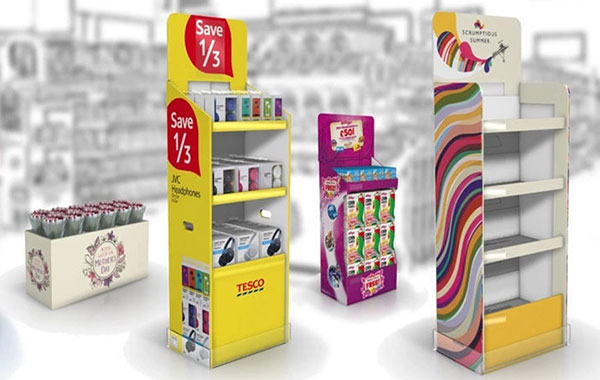
1. Face Products Forward
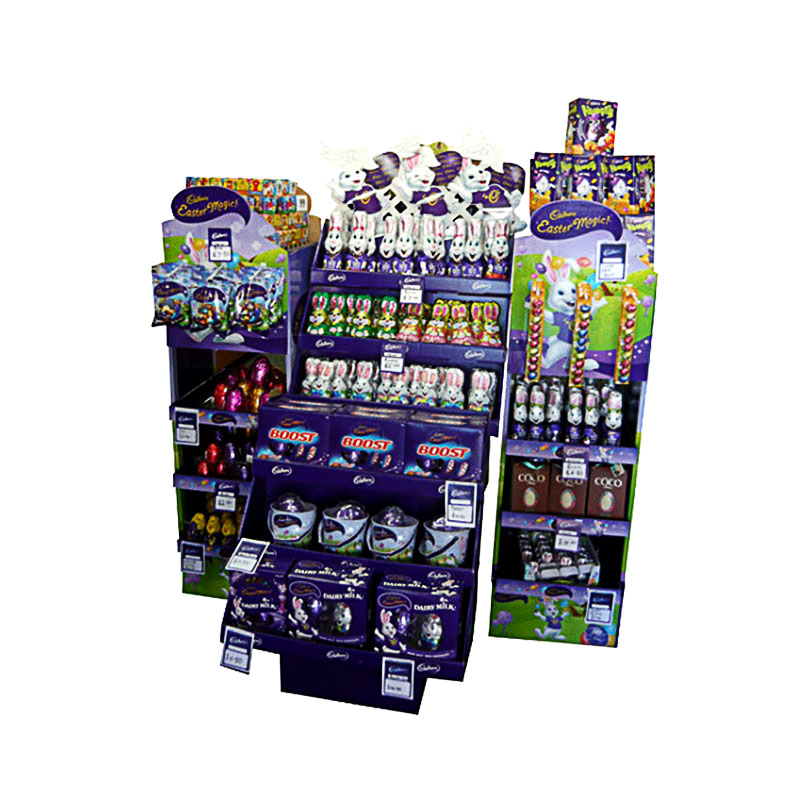
Put the front side of each product facing customers. This is the basic rule. Products themselves act as the best salesmen. Imagine you stand before supermarket shelves to pick body wash. You pick one bottle, only to find its label faces inside. You cannot see the brand or product name until you flip it over. You pick another bottle, and its label still faces inward. Would you feel annoyed? I would definitely refuse to buy it. Shoppers decide whether to buy something in just one or two seconds. For this reason, keep key information on the front side: labels, brands, names, sizes and pictures. If shoppers cannot see these details directly, they will lose most desire to buy.
2. Display Goods Vertically
There is a common rule: vertical display works like an advertisement, while horizontal display is useless decoration. Simply put, vertical arrangement lets people see all goods on a shelf at a glance. Horizontal arrangement forces shoppers to search back and forth. Statistics show vertical display raises sales by at least 20%. The reason is simple: human eyes move up and down more easily than left and right.
3. Follow the First-In, First-Out Rule
Stores can sell goods slowly, but they must never sell expired items. When you buy milk in a supermarket, you may pick a box near its expiry date and put it down. You reach deeper into the shelf and find fresher milk hidden inside. You may feel the store tricks you. Most supermarkets do this on purpose: they place old or soon-to-expire goods at the front and new goods at the back. Yet you only understand half the truth if you think this rule only sells old stock first. If shops fail to follow this rule, old goods stay stuck at the back. These goods expire before anyone buys them, and stores lose money and waste inventory.
Summary
Face products forward so shoppers can see all information clearly at first sight.
Arrange goods vertically to match people’s natural viewing habits.
Follow the first-in-first-out rule to let customers get fresh products and prevent old goods from expiring unused.
Previous Article
Customizable Service Counters for Stores: 3 Eye-Catching Checkout Designs to Raise Sales

Next Article
Custom Build Checkout Lanes: New Efficient Checkout System for Large Supermarkets During Holiday Rush
Trusted by These Featured Clients