

How to Approach Retail Stores to Sell Your Product: A Complete Guide for Manufacturers
By Shenzhen Topwon Group Co.,Ltd
Feb 11, 2026
Retail stores sell a variety of different goods. However, not all these goods come from a single supplier; they may come from numerous different product providers. As a salesperson for a product manufacturer, you must convince retail stores to sell your products. More channels and more retail stores selling your products mean higher sales volume. How you approach a retail store to sell your product mainly depends on the retailer itself. Different stores have different supplier requirements. If a buyer decides to meet with you after reviewing your application or company information, you must prepare a pitch to demonstrate your product’s value. Below, we share how to pitch your product to big-box stores, how to write a product sales letter, and how to follow up.
How to Pitch Your Product to Big-Box Stores
A pitch is a short presentation where you showcase your product, explain its uniqueness, and persuade buyers to believe in it as much as you do. A powerful pitch requires passion, but as an entrepreneur proud of your product, you can definitely deliver it well.
If you want to sell your product to retailers and impress buyers from the start, follow these tips to create a winning pitch:
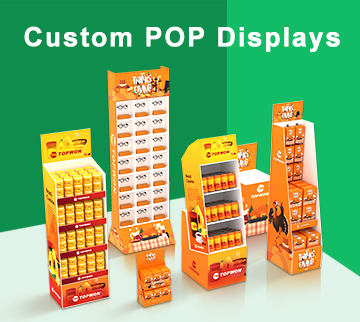
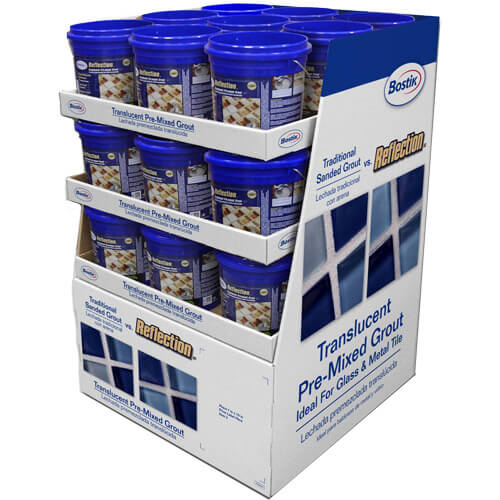
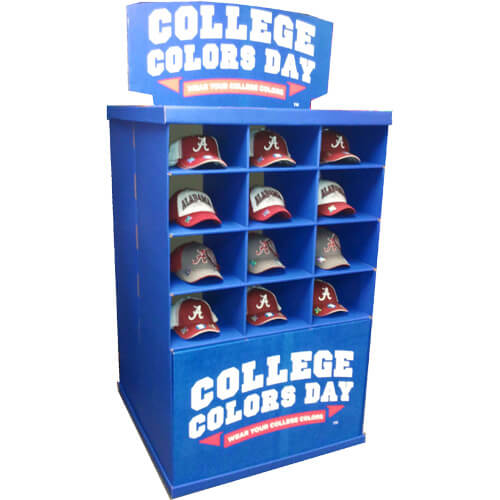
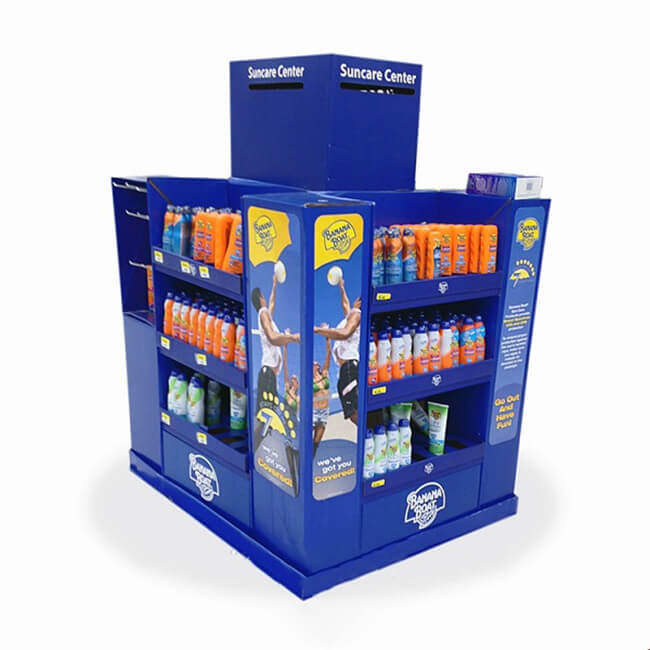
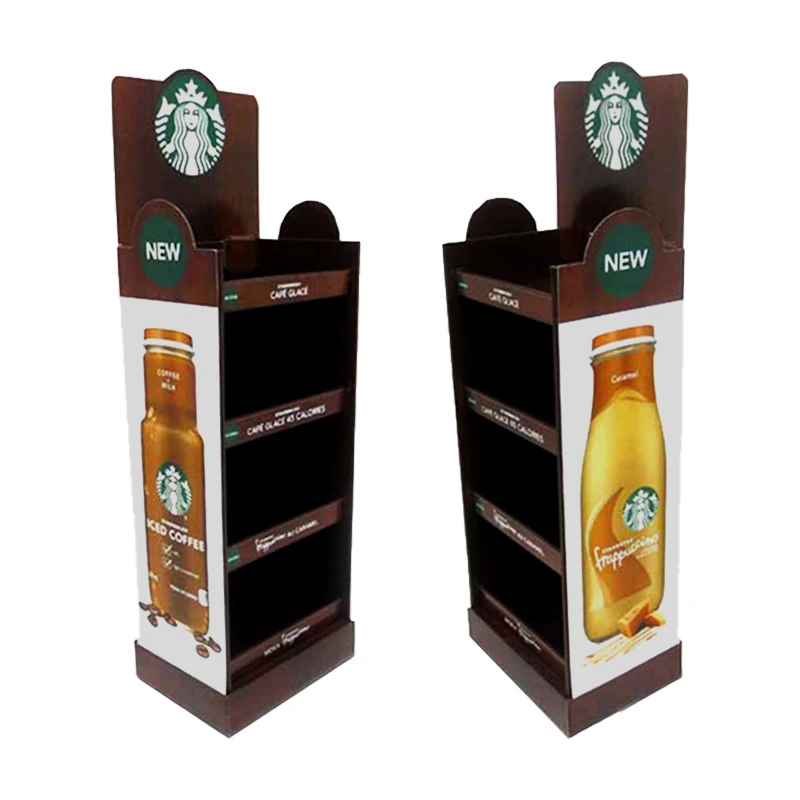
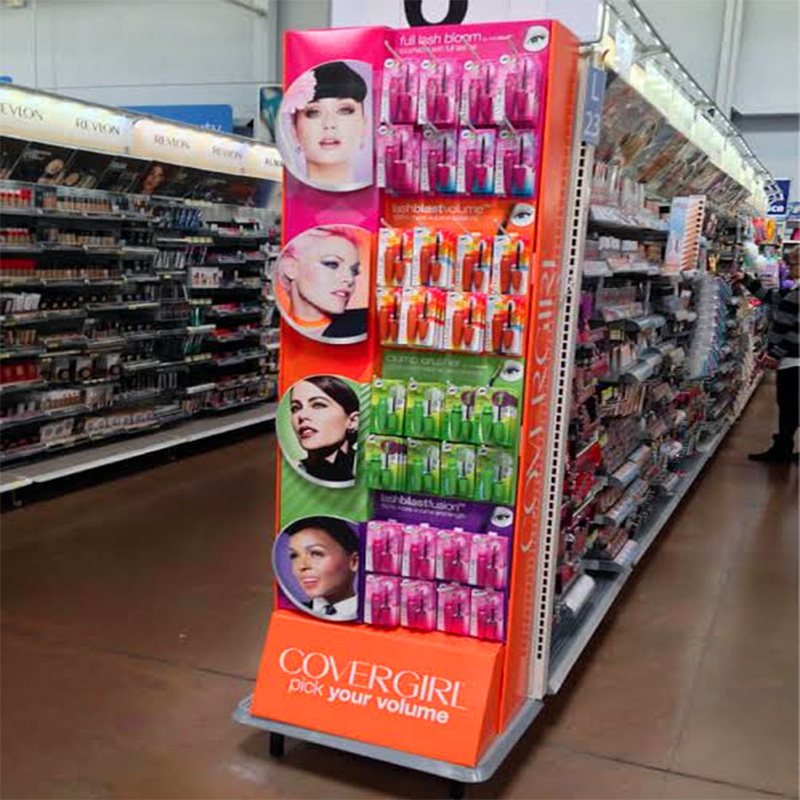
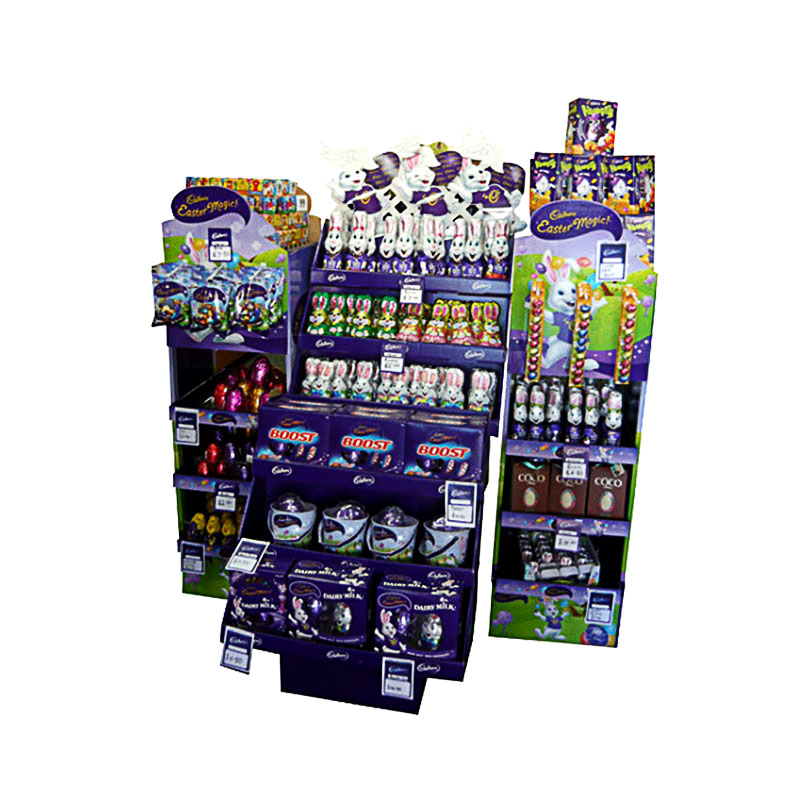
- Bring finished product samples: You must bring complete product samples so buyers can see the packaging and experience the product firsthand. You can also consider bringing an eye-catching display stand to help buyers easily envision how your product will look in their store.
- Keep your introduction concise: Buyers want to know how your product will add value to their customers’ lives and bring profits to their store. You don’t need to go into detail about your company’s background at the start of your pitch. A brief company overview is sufficient, but remember that buyers have likely already researched your company.
- Exude confidence: Show buyers you believe in your product by stating that it “will” achieve certain results, rather than that you “hope” it will. Buyers are more attracted to confidence.
- Focus on value: Emphasize your product’s value, not its price. If your product has value, price will become less of a concern.
- Solve real problems: Ensure your product solves real problems and prepare to explain how your merchandise will improve customers’ lives. Show potential buyers that you have conducted thorough market research.
- Listen actively: Be an active listener and prepare to address any concerns buyers may have. Make sure you respond carefully and thoughtfully. Buyers want to see that you care about their goals.
- Clarify costs and pricing: Offer your best price from the start to build trust with buyers immediately. If the price is too high, you may lose their interest.
- Develop a placement strategy: Prepare to explain how and where your product will be displayed in the store, and provide specific placement recommendations. This means you need to spend time visiting the buyer’s store before you pitch your product.
- Control the pitch duration: Keep your pitch concise and clear, around five minutes long, to leave time for questions and keep buyers engaged.
- Prepare a sell sheet: Leave a product sell sheet with the buyer. The sell sheet should have a professional design and include colorful images, product specifications, and core benefits.
How to Write a Product Sales Letter
In addition to meeting retailers’ application requirements, you may need to write a letter or email to help get your product into stores. This email can serve as a way to pitch your product before you meet the buyer in person.
Before you try to enter big-box stores, you can also contact local retailers via email or letter to pitch your product. As mentioned in Chapter 2, big-box stores prefer to purchase products that already have brand recognition. Therefore, selling through smaller retailers first will help you build demand and increase your product’s popularity.
If you want to grab buyers’ attention through written words, make sure your email is personalized and not copied and pasted from other product-related letters you have written. Below is a sample letter to help you get your products into stores, for your reference:
- If sending an email, start with a subject line that clearly and concisely describes your product.
- Next, greet the buyer by their first name (to show personalization).
- Briefly explain why you admire their store.
- Introduce yourself, including your company name and the product you produce.
- State that you want to become a supplier for their store and briefly explain why you think their customers will like your product.
- Request a meeting or permission to send samples.
- Indicate that you have attached a sell sheet, press clippings, or a link to a product video.
- In the closing, remind the buyer again why you are contacting them and how your product will benefit their store.
- Include your contact information, such as your name, brand name, and website address.
- Be sure to attach images of your product.
In general, your letter should be clear, concise, free of grammatical errors, and as personalized as possible. Remember to send a follow-up email or letter about a week later.
How to Follow Up
If you have met with a buyer and pitched your product, you have taken an important step toward getting stores to sell it—but the process does not end here. After the pitch, follow up within one to two weeks if you do not hear back from the buyer. You can use your follow-up email to answer any remaining questions the buyer may have. This also gives you another chance to emphasize your product’s value to the buyer.
If you send a follow-up email, keep it concise, friendly, and easy to read. In other words, try to keep the email to no more than five sentences.
For example, suppose you provided product samples to a potential buyer during your pitch. If you do not receive a response within a few weeks, you can ask them if they have had a chance to try your product, then offer to answer any questions they may have, and end with your contact information.
In addition to sending follow-up emails after your pitch, we recommend sending company updates to buyers at least once a quarter. Keeping buyers informed about your company will help you maintain your relationship with them.
Of course, you don’t need to stick to a fixed format. The above methods apply to working with big-box stores to get them to sell your products. However, if you want smaller convenience stores or other small retail stores to sell your products, the process may not be so complicated. You will likely need to interact directly with the store manager or the store owner himself. Of course, you still need to follow the necessary core processes, depending on the other party’s actual situation—for example, a contract is still essential.
In short, you need different methods and processes when working with different retailers. However, your goal always remains the same: to convince them to become a sales channel for your products and ultimately achieve a win-win outcome.
Related Products
Previous Article
What is a POS display?

Next Article
Designing Effective POP Displays: From Client Needs to Real-World Examples
Trusted by These Featured Clients