

CPG Effective Promotions: Practical Strategies & Risk Warnings for Consumer‑Good Campaigns
By Shenzhen Topwon Group Co.,Ltd
Aug 24, 2026
Promotions serve as the primary link connecting manufacturers to consumers. They also form a key part of consumer communication. Businesses build real‑life scenarios, introduce products and offer food‑tasting experiences. These warm approaches create close contact with shoppers.
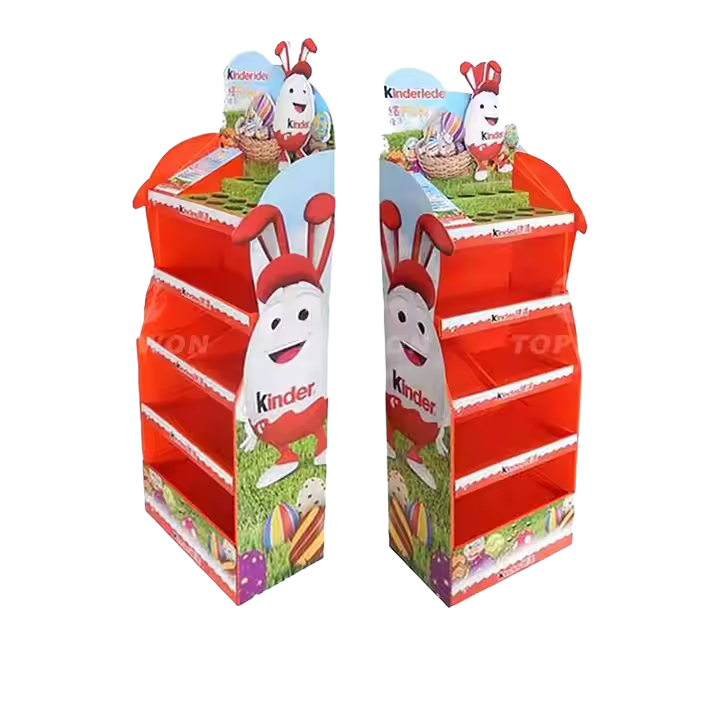
Promotion is an important tool to drive product sales. Well‑designed promotions push sales volumes higher. Then what practical steps make promotions both reasonable and effective?
1. Buy‑and‑get‑free for single items
This is one of the most basic market promotion tools. Common rules include “buy ten, get one free” or “buy eight, get one free” for individual products. Manufacturers often use single‑item buy‑and‑get‑free programs to push stock onto retailers. Retailers keep more product inventory. Media advertising supports goods flow at retail points. Retail inventory levels even become a key performance metric for product launches.

This promotion type follows a simple format. In real‑world practice, some retailers dump goods at cut‑rate prices. Such behavior breaks the established price system and puts full‑scale product rollouts at a disadvantage.
This method works only under certain conditions. The brand must hold strong market influence. Powerful media backing speeds up stock turnover at retail outlets. Manufacturers keep tight control over retailers. They set purchase limits for each sales location following detailed promotion sheets. These limits prevent promotions from ruining product market performance.
2. Bundled buy‑and‑get‑free promotions
Bundled buy‑and‑get‑free pairs hot‑selling goods with slow‑moving items, or pairs popular products with new arrivals. The core goal keeps strong sales for existing best‑sellers. At the same time, retail outlets accept slow‑moving or new products more easily. This lowers barriers for shelf placement and encourages retailers to push these less‑popular goods.
This strategy depends on high consumer demand for the popular bundled product. The brand must enjoy solid local market influence. Without these conditions, retailers refuse slow‑moving or new items. Extra stock creates heavier purchasing and selling pressure for store operators.
3. Physical gift giveaways
Repeated product promotions bore retail partners. Manufacturers adjust promotion formats while keeping reasonable profit margins for sales channels. For example: purchase two new‑model products and receive an air‑conditioner quilt; place one bulk order of ten units and earn a mobile phone; hit a total sales target and get a tricycle.
Everyday gifts such as rice and salad oil match ordinary people’s daily needs. Retailers can convert these gifts into practical value, so they welcome such offers and see good results. Still, some retailers count gift value into product profit calculations. This indirectly cuts down actual selling prices.
4. Cash rebates
Cash rebates attract retailers most. A typical rule: place one bulk order of five units, and get a direct 100‑yuan cash rebate against payment. Do not apply cash rebates to mixed‑product bundles. Otherwise certain retailers slash retail prices and hurt long‑term product sales.
Promotions aim for maximum sales and, in the end, maximum profit. Treat cash rebates as short‑term tactical tools. Do not apply them too often. Frequent cash rewards make retailers lose interest in other promotion types. Nothing beats instant cash, and over‑reliance creates obstacles for future marketing plans.
5. Dedicated in‑store promoters
Assign full‑time promotion staff. These workers share information by word‑of‑mouth. They introduce products and spread brand messages directly to target buyers. Two critical areas require attention: prepare clear talking points for product selling points and brand stories; build sales skills and on‑the‑spot problem‑solving abilities for promotion staff.
Restaurants can adopt this model smoothly. General trade outlets add dedicated promoters based on customer needs or manufacturer marketing strategies.
Competition grows fierce in today’s fast‑moving consumer goods industry. Businesses chase new sales growth within existing market size. Every promotion becomes a contest against competing brands. Small details decide most of these contests. Poor long‑term execution lets competitors push you out of the market. For this reason, marketing teams must carefully evaluate every promotion. Maximize real value from each campaign.
Previous Article
How to Display Produce in a Grocery Store: Practical Fresh‑Fruit & Vegetable Display Skills for Supermarkets
Next Article
Best Display Types for Retail Endcap Promotions
Trusted by These Featured Clients