

Best Display Types for Retail Endcap Promotions
By Shenzhen Topwon Group Co.,Ltd
Aug 25, 2026
One big feature of a market‑driven economy is the “eyeball economy”. 75 % of shoppers decide whether to buy something within 5 seconds. What kind of display can catch people’s eyes right away? Supermarket displays may look similar, but they include useful marketing skills.
Let us talk about supermarket sales channels and learn the rules and standards for in‑store product display.
We can follow clear practical rules for retail display. According to real‑world data, product display generally follows these 15 basic principles.
15 Basic Principles of Retail Display
- Maximize Display Space Your goal is to get enough shelf room and place more products. Customers are more likely to buy your goods when they take more shelf space than competing brands.
- Show All Product Versions Put different versions of your products on the same shelf. This meets different buyers’ needs, increases sales, builds a good brand image and makes your products more influential.
- Display Products Together Follow special store rules if the shop requires them. Otherwise, group all sizes and kinds of your products in one area. Every time you visit the store, take competing goods out of your display spot.
- Keep Shelves Fully Stocked Fill your display racks with your products. Full shelves make goods easier to see. They also stop other brands from taking your shelf space.
- Vertical Group Display Place related products up and down in vertical blocks. This fits people’s natural viewing habits and draws shoppers’ attention. You can create clear and eye‑catching display areas this way.
- Heavy and Large Items Go Lower Put heavy, big products on lower shelves. Set small, light items higher up. This matches people’s usual visual preferences.
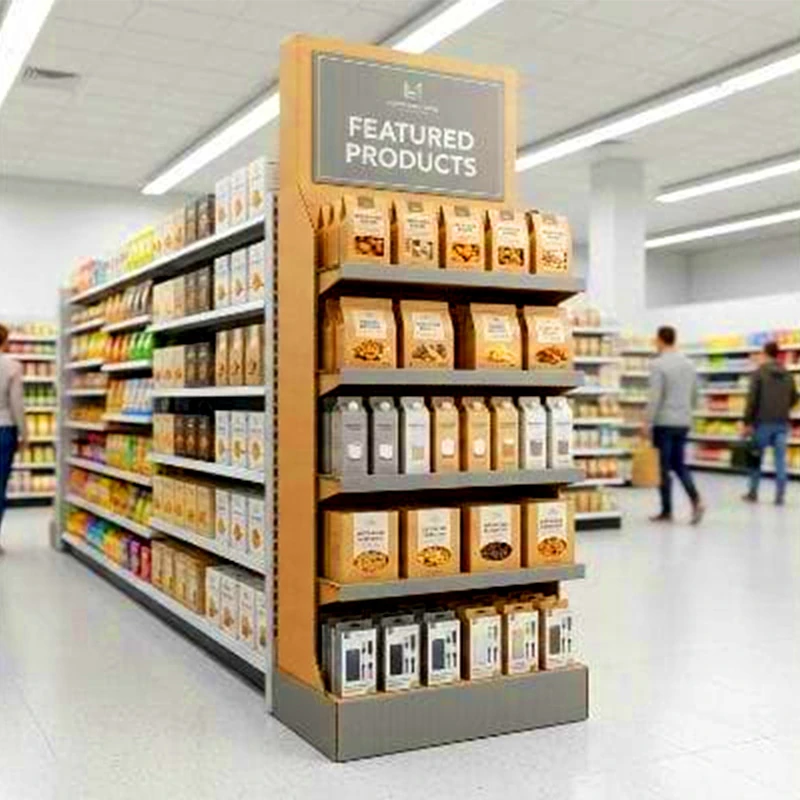
- Highlight Main Selling Products When you show a product series on floor stacks or racks, keep all product versions and enough space. Meanwhile, give your best‑selling products noticeable positions. Shoppers can quickly tell key goods from other items.
- Make Goods Easy to Reach Put products where shoppers can grab them easily. Think about the age and height of your main customers when you arrange goods.
- Keep a Uniform Look Turn all product labels and brand logos toward shoppers. All products on shelves should face the same way for a tidy and clear view.
- Keep Everything Clean Make sure displayed products stay neat and clean. Most shoppers will not buy dirty or messy goods.
- Use Clear Price Tags Bright, easy‑to‑read price tags encourage people to buy. They help shoppers compare prices and notice special offers. If customers cannot see prices, they may hesitate and walk away without buying.
- Create a “Well‑Sold” Look On full shelves, take away a few products from the front row. Shoppers can pick items more easily, and the shelf looks like goods sell fast.
- First‑In, First‑Out Stock Rule Put older‑made products on the front. Place newly‑made goods toward the back. This keeps products from going bad or expiring. Rearrange goods on special racks and floor stacks at least every five days. Move older stock to the front.
- Maintain Safe Minimum Stock Keep enough stock of each product above your safe inventory level. Safe inventory = average daily sales × days needed to receive new stock.
- Follow Floor‑Stack Standards Floor‑stack areas are valuable and costly promotion spots. You need to follow all display rules for stack fences, price tags, product layout and POP signs. The whole setup should look complete, well‑matched and standard.
7 Groups of Display Standards with 37 Practical Methods
Ⅰ. Rules for Regular Shelf Layout
- Arrange goods by product groups along main store walkways. Show large groups first, then medium groups, then small groups.
- Group goods by brand level: top brands, second‑tier brands and third‑tier brands.
- Sort products from low price to high price.
- Also think about product packages, sizes and colors.
Ⅱ. Detailed Rules for Regular Shelves
- Place related products in vertical columns.
- Let product fronts face customers. Keep the front edges of all items in a straight line.
- Leave proper gaps between shelf layers and between products. Do not show the shelf back board. Leave enough space for hands to reach goods. It is better to leave a little extra space than to crowd products too tightly.
- Give each single product at least 20 centimeters of display width, with no fewer than two product fronts showing.
- Put shelf price tags at the bottom‑left of their matching products. Keep tags perpendicular to tags on shelves above and below.
- Place larger, heavier items lower and smaller, lighter items higher. Children’s food in food sections is an exception.
- Try not to place the same product across separate shelf sections.
- Use sales data when arranging goods. Try your best to raise sales for every meter of shelf space.
- For very popular products, reduce horizontal space on one shelf layer. Use more vertical space across several shelf layers instead.
- After you finish other layout work, use the 70 cm‑140 cm eye‑level zone. Place your best‑daily‑selling products inside this height range.
Ⅲ. Show Zones on Regular Shelves (Not for Direct Sales)
- Only show products from that shelf group. Do not place more than two different items here.
- Do not add goods from other unrelated shelf areas.
- All show‑zone products must face forward in the same direction.
- Put only one layer of goods in show zones. Cover the shelf back board.
- Change show‑zone products regularly based on each product’s shelf life.
Ⅳ. Important Notes for Regular Shelf Work
- When some products sell out, expand display space to shelves above or below. Do not expand sideways. Choose high‑sales products for this extra space. Keep empty price tags on the shelf.
- Follow earlier display rules when you place new‑product samples.
- No one, including brand sales helpers, can change shelf layout without a supervisor’s permission.
- Fix and tidy shelf arrangement right after you add new stock.
Ⅴ. General Rules for Promotion Zones
- Keep shelves fully filled
- Make displays look nice
- Create a feeling of large stock volume
- Keep everything neat
- Place related products near one another
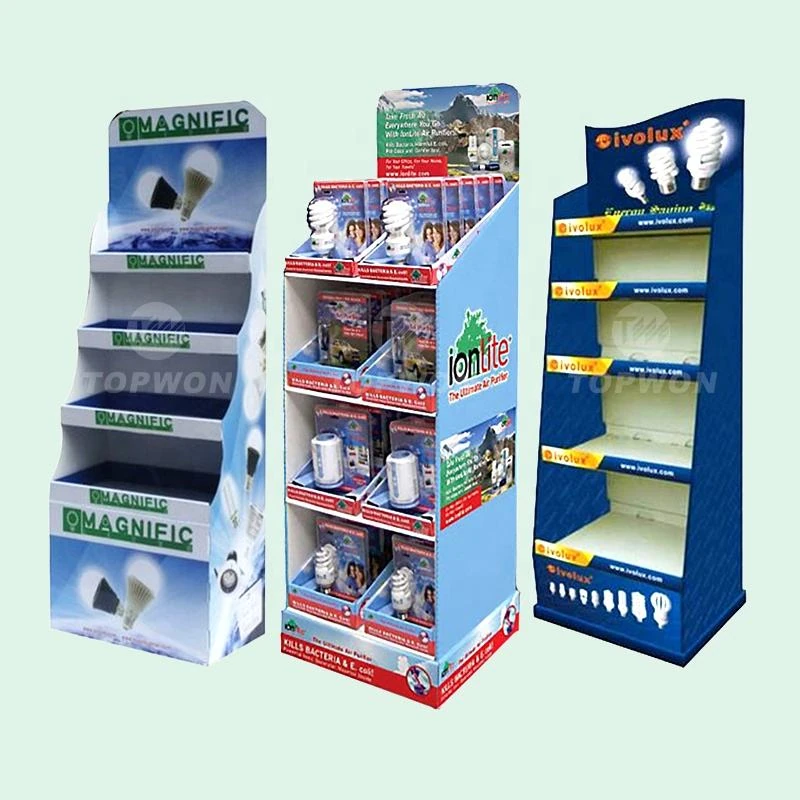
Ⅵ. Floor‑Stack Display Skills
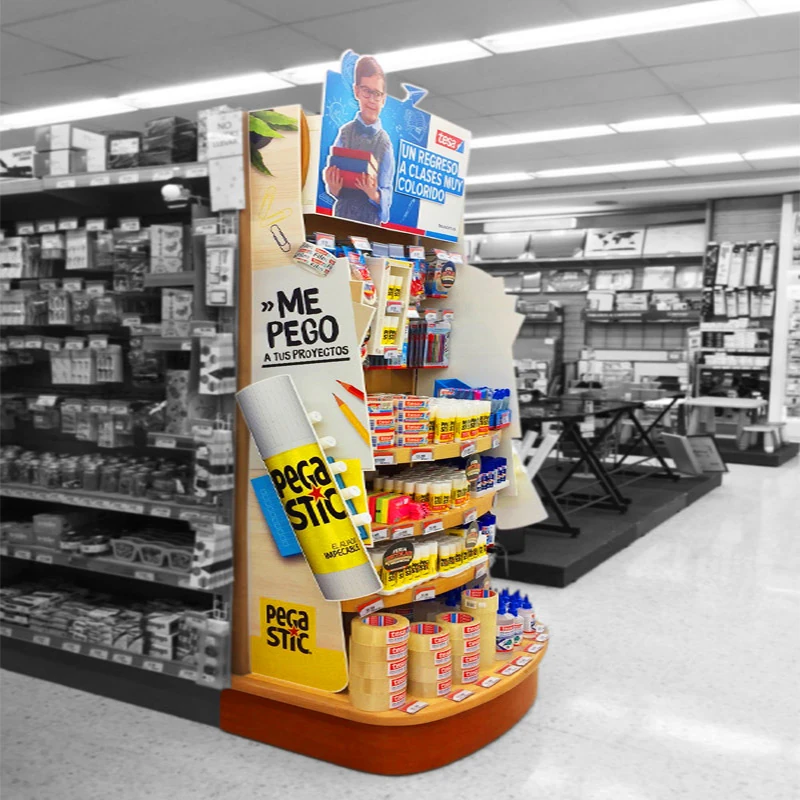
- Only put discounted promotion goods on floor stacks. Never place regular‑price goods in these promotion areas.
- One 1 m × 1.2 m floor stack can show no more than two different items. Ideally show only one product, or several versions of one series sold at the same price. For example, different‑scent bottles of the same‑price shampoo.
- For floor‑standing stacks, use matching products in show areas. Keep colors and directions the same. You may put extra goods or empty cartons underneath to build a raised base.
- Put your most important promotion goods in the best‑located promotion spots.
Ⅶ. N‑Rack Display Skills
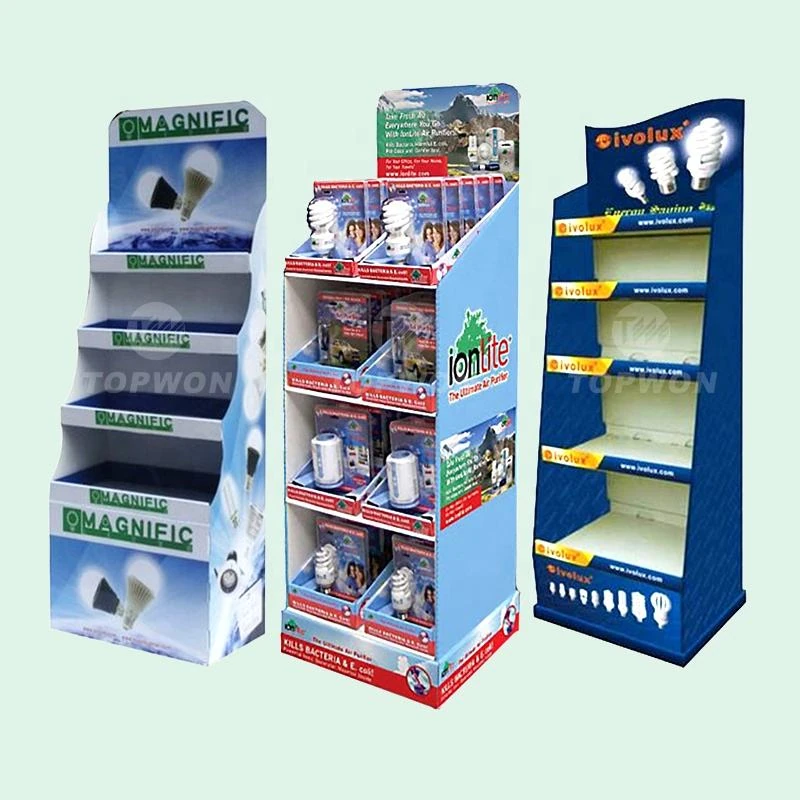
- Only place discounted promotion goods on N‑racks. Regular‑price products cannot go here.
- Normally show one product on each N‑rack. You may use two different items at most.
- If you display two products, put the cheaper one closer to main customer walkways. Arrange both products in vertical columns. Do not split them by putting one product only on upper shelves and the other only on lower shelves.
- Show matching products in N‑rack show zones. One layer is enough to cover the shelf back board.
- Use one price tag for each product. Place tags at the left and middle spots within customers’ eye‑level area on the N‑rack.
Summary
Good retail display is more than just putting goods on shelves. It quickly draws shoppers’ attention and helps make sales. This article lists 15 basic display principles and 37 easy‑to‑use methods for ordinary shelves, endcaps, floor stacks and N‑racks.
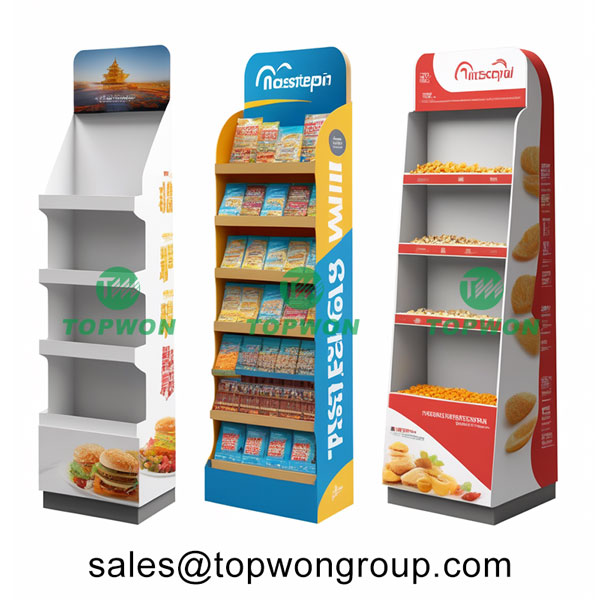
In real store work, keep enough display space and fill shelves neatly. Follow rules such as vertical grouped display, heavy‑items‑lower placement, easy‑to‑reach setup, clear price labels and first‑in first‑out stock management. For promotion spots like endcaps and floor stacks, build a sense of large‑volume stock, keep everything tidy and group related goods together.
If you follow these standards strictly, you can make good use of customer eye‑level zones, cut losses from expired goods, improve sales per meter of shelf space and get better store business results.
Previous Article
CPG Effective Promotions: Practical Strategies & Risk Warnings for Consumer‑Good Campaigns
Next Article
End Cap Design: Key Rules for Driving Impulse Purchases In‑store
Trusted by These Featured Clients