Product Introduction
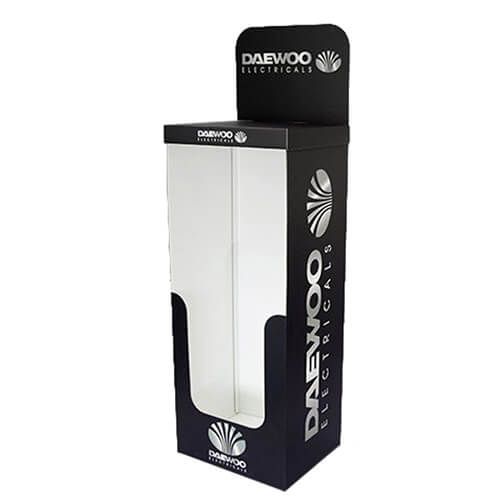
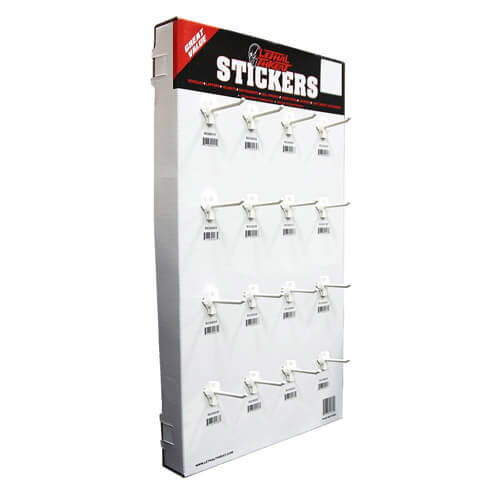
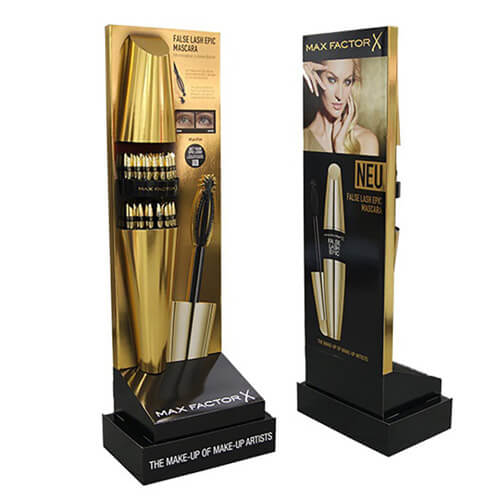
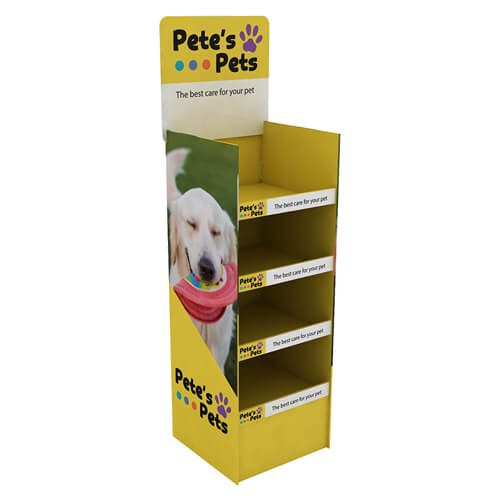
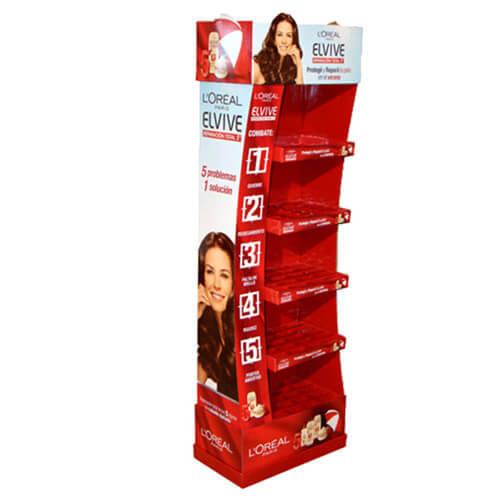
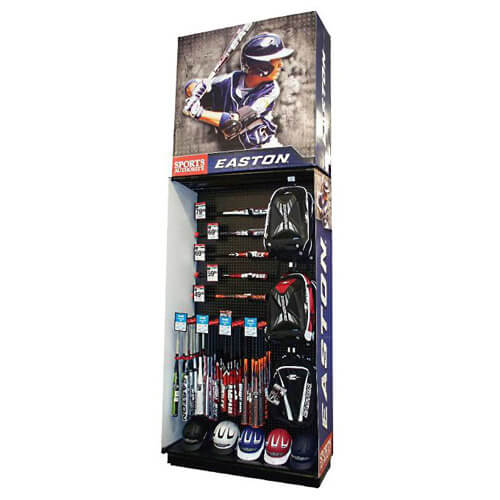
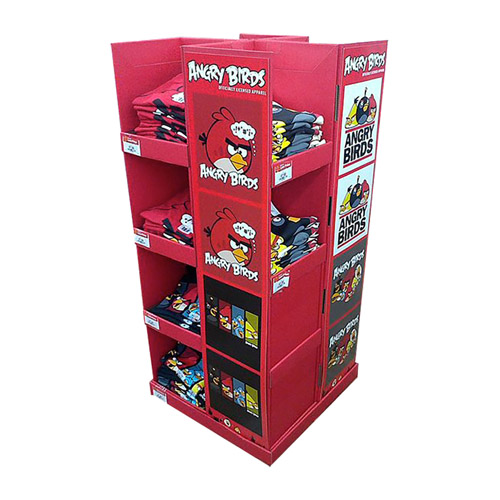
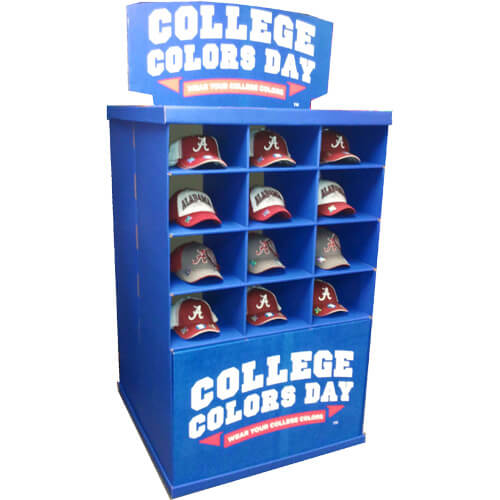
Colorful corrugated display stands clearly show company names, trademarks and brand messages. Shoppers quickly read product information at first sight. Corrugated wine end‑cap display stands greatly boost product sales in retail stores. You should work with experienced design‑and‑manufacturing suppliers when you build corrugated stands for wine. Professional partners create creative structures, deliver high‑quality printing, improve stand durability and cut total costs for you.
Cost Is Often the Top Concern for Wine‑Display‑Stand Design and Production For example, one wine maker once planned a full‑size wine barrel for store displays. The company gave up this idea. Workers needed heavy wooden supports to hold that heavy barrel.
Unlike wood, some wine display stands use corrugated paper. This material is light‑weight, cheap and recyclable. One stand can hold 66 wine bottles with a total weight of about 220 pounds. Its cost is only about half of a wooden display stand.
You save marketing money when you pick cost‑effective materials such as corrugated cardboard. You can spend the saved budget on other design parts. These parts include lighting, sound effects, scent devices, videos and augmented reality tools. You build more lively sales activities and push up product sales with these tools.
Holiday‑themed goods often only need a few‑day display time. Even longer campaigns usually last just one or two months. Compared with wooden, metal or plastic stands, corrugated display stands offer flexible structures and short production cycles. Most importantly, they cost little. Supermarkets, shopping malls and brand shops widely use them for sales events.
Key Points for Display‑Stand Design Use bright, vivid and eye‑catching colors. A striking display easily draws shoppers’ attention inside stores. A plain boring stand fails to attract enough target buyers.
Put your company name, trademarks and brand colors on the stand. Make full use of the stand to build brand appeal.
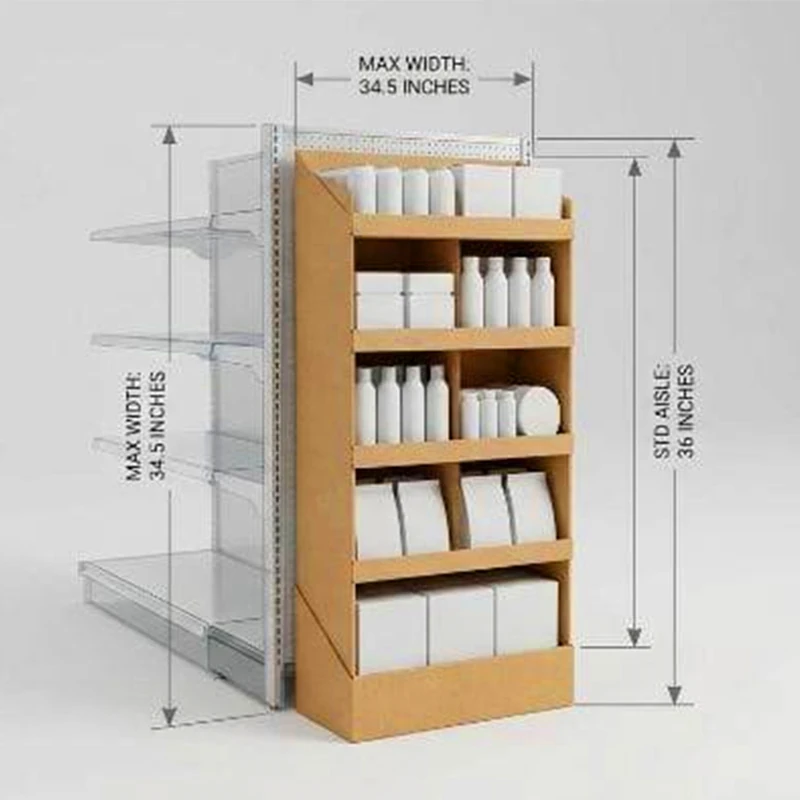
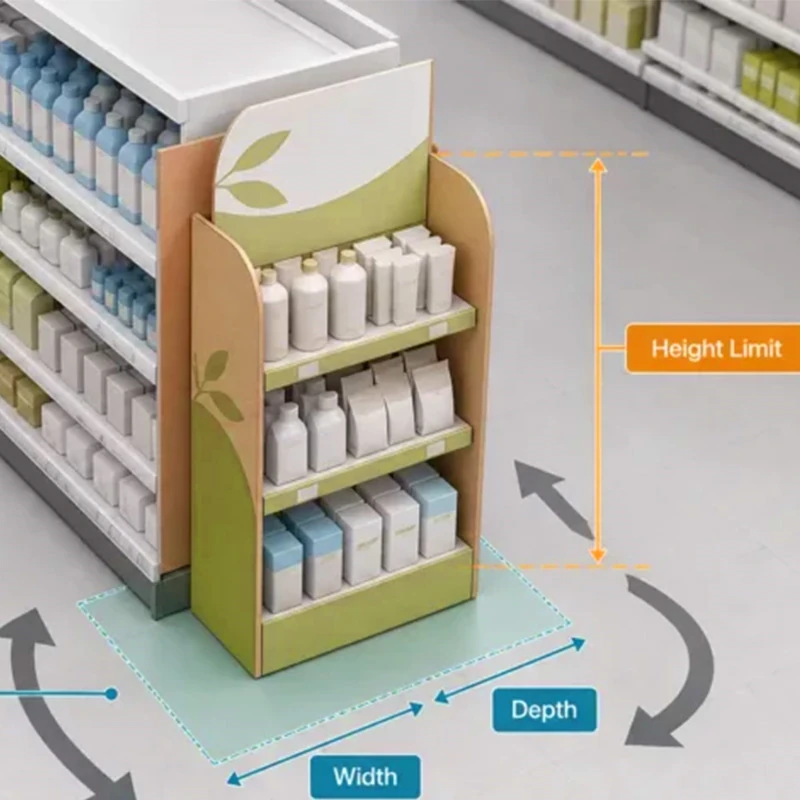
Set proper stand sizes. The stand holds enough goods, but it should not become too big and trouble shoppers. Bigger does not always mean better. A well‑designed stand tells customers that you plan promotions carefully. Its nice look also represents your brand image.
Besides the stand itself, life‑size graphics create strong visual effects for product displays. These graphics can be pictures of brand spokespersons or enlarged product models. You pair graphic prints with the display stand. They work together to show your brand image to shoppers and help you finish sales goals.
General Workflow for Display‑Stand Design and Production Step 1: Draw 2D Drawings for the Display Stand Design teams offer fresh design ideas for companies to review. If companies have their own ideas, designers turn those ideas into rough drafts. After teams lock the final plan, designers create clear visual renderings. Once companies approve the drawings, the project moves to the production phase.
Step 2: Build Prototype Samples Workers make real sample stands. They change details as needed. They make sure the design fits sales‑promotion needs before mass production starts.
Step 3: Printing Work Workers start formal printing and manufacturing after teams confirm the prototype. Teams choose digital printing for orders with short delivery times. This printing method finishes goods faster. Teams select flexographic printing for large‑volume orders. This method suits mass production and lowers overall costs.
Workers control every step from pre‑print preparation to final printing. They keep printing details sharp and guarantee good finished‑product quality.
Step 4: Processing and Assembly This step requires more machines and more workers. Staff members process and put together all parts. They turn original design thoughts into real physical display stands.
Step 5: Deliver to Retail Locations for Use Workers pack finished display stands in the final step. They ship these stands to distribution centers or retail shops. The corrugated display stand starts to show goods for customers.
Typical Specifications
| Item |
Reference Parameter |
| Material |
B‑flute / E‑flute / AB‑flute corrugated cardboard |
| Loading Capacity |
Up to 220 lbs (66 wine bottles for reference) |
| Printing Process |
Digital printing / Flexographic printing |
| Surface Finish |
Matte / Glossy lamination, water‑based varnish |
| Assembly Type |
Flat‑pack, easy on‑site assembly |
| Packing Method |
Flat packed in cartons for shipment |
| Usable Campaign Period |
1‑8 weeks for short‑term retail promotion |
Note: All dimensions, loading capacity and surface treatments can be fully customized according to project requirements.
Common Application Scenarios
| Application Scenario |
Usage Description |
| Supermarket End‑cap Aisles |
Wine seasonal promotions, new wine series launch displays |
| Shopping Mall Brand Stores |
Limited‑edition wine releases, brand image presentation |
| Liquor Specialty Shops |
Hot‑selling wine SKU centralized display and impulse sales |
| Holiday Pop‑up Campaigns |
Christmas, New Year, festival short‑term wine marketing activities |
| Wholesale & Exhibition Events |
Wine trade show booth displays for brand promotion |
Summary Corrugated wine end‑cap display stands carry many strengths. They cost little, weigh very little, support recycling and take short time to produce. They fit wine promotion and short‑term holiday sales events perfectly. You plan colors, brand logos and sizes carefully. You follow the full process: design, sample‑making, printing and assembly. Then you build high‑quality retail displays. These stands catch shoppers’ eyes, raise brand awareness and drive product sales.