

An Overview of the Retail Industry
By Shenzhen Topwon Group Co.,Ltd
Apr 16, 2026
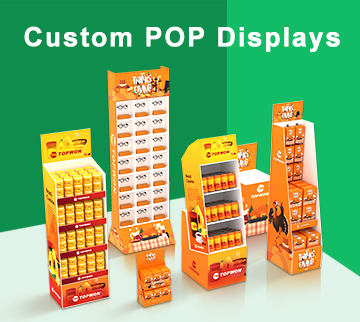
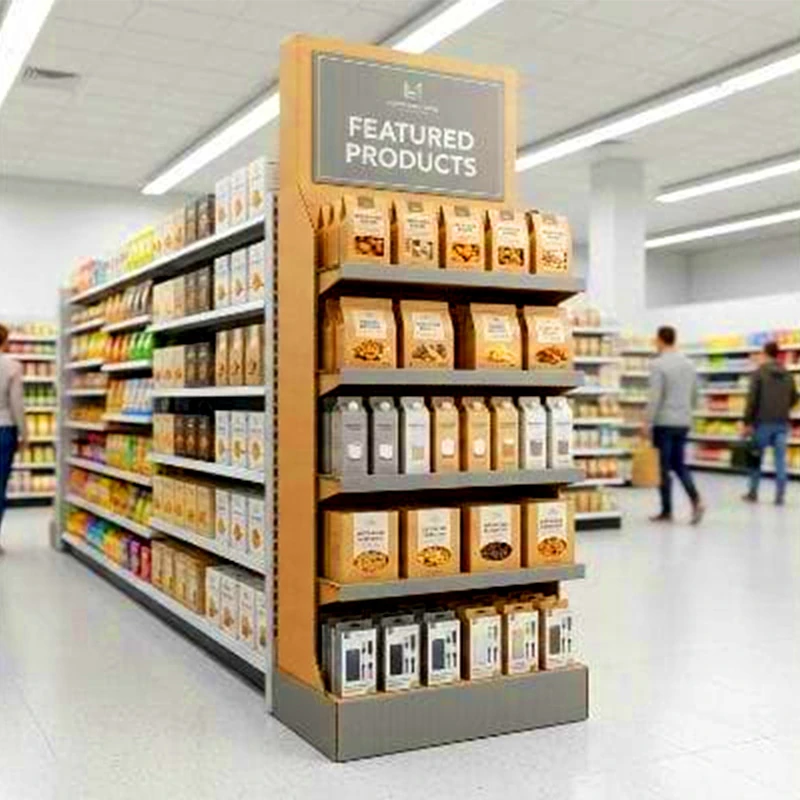
Topwon has been in the display rack industry for sixteen years, and our target customers are in the retail sector. So what exactly is the retail sector, and what are its specific subcategories?
Definition of the Retail Sector
The retail industry refers to sales activities primarily targeting end consumers (such as residents), including department stores, supermarkets, specialty retail stores, brand boutiques, and street stalls. It also encompasses sales conducted via the internet, mail order, telephone, and vending machines, as well as stores that process and produce food on-site while selling it at the front (such as bakeries); The sale of production materials—such as grains, seeds, feed, livestock, mineral products, raw materials for production, chemical raw materials, agricultural chemical products, and machinery and equipment (excluding passenger vehicles, computers, and communication equipment)—is not considered a retail activity. Most retailers own the goods they sell, but some act as agents for principals, conducting consignment sales or selling on a commission basis.
What Are the Specific Formats of the Retail Industry?
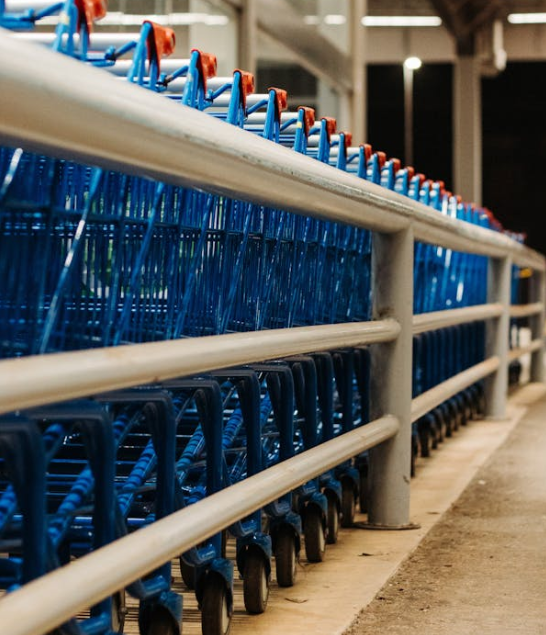
According to the “Catalog of Retail Formats for Statistical Purposes,” a retail format refers to the various business models formed by retail enterprises (including entities and individual businesses) through the combination of relevant elements to meet different consumer needs. Based on the structural characteristics of retail stores, these formats are classified according to their business methods, product mix, service functions, as well as location, trade area, scale, store facilities, target customers, and whether they have a fixed business premises. Broadly speaking, they can be divided into two categories: store-based and non-store-based. In accordance with the classification principles for retail formats, specific categories include convenience stores, supermarkets, discount stores, warehouse membership stores, department stores, shopping centers, specialty stores, brand boutiques, multi-brand stores, unmanned stores, online retail, TV/radio retail, mail-order retail, vending machine retail, telephone retail, direct sales, mobile street vendor retail, and others.
Inclusion of E-commerce Enterprises in Retail Sales Statistics
Enterprises that directly engage in retail sales of goods through e-commerce platforms should be included in the statistics for total retail sales of consumer goods. Enterprises that provide e-commerce platform services or technical support should not be included in these statistics.
In summary, the retail industry is a broad sector that encompasses many specific sub-industries. Although general e-commerce enterprises that sell directly to consumers are not our target customers—and are unlikely to use paper display racks—they still fall within the retail industry.
Previous Article
Acrylic Classification and Applications in Display Stands

Next Article
What is a pop-up shop? Everything you need to know about short-term retail

Trusted by These Featured Clients