

Body care store front display ideas customer attention
By Shenzhen Topwon Group Co.,Ltd
Aug 28, 2026
Have you run into this problem? You spend lots of effort hiring a designer for your store. Yet the design result falls short of expectations. Even after construction finishes, very few customers walk through your door.
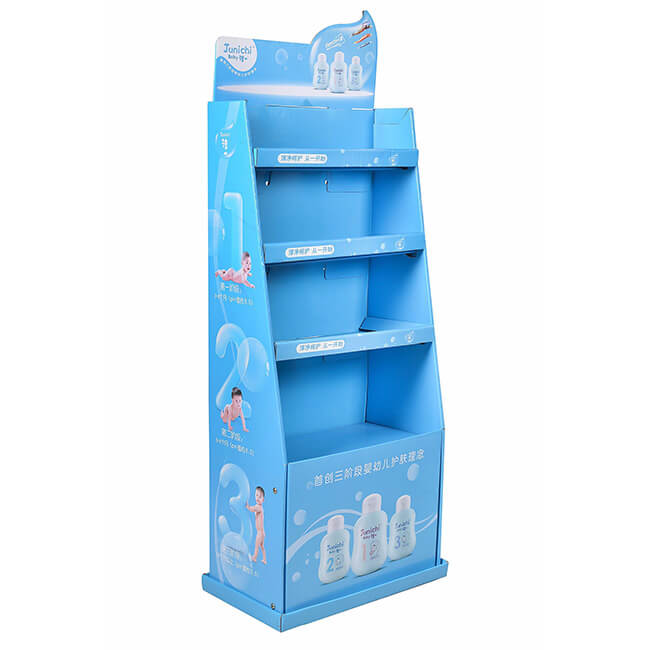
Two main reasons account for this issue. First, the designer lacks professional skills and fails to plan the store from a full‑range perspective. Second, limited competence pushes the designer to simply copy layouts from popular stores, without considering your shop’s real‑world conditions.
Core Question: What Design Activates Store Space and Attracts Target Shoppers
What kind of design boosts usage for every corner of a store and grabs target buyers’ attention?
What makes shoppers enjoy browsing, stay for proper time instead of lingering aimlessly, and spot desired goods easily? Smart store‑space management sparks shopping desire. Every store owner hopes shoppers leave with full shopping bags. Reality often turns out differently.
What practical methods remove sales blind spots, encourage pleasant browsing, keep stays reasonable, help buyers spot wanted items fast, and raise add‑on purchase rates?
How Store‑Space Management Drives Actual Purchases
Store‑space management holds the key. Zone layout, customer‑traffic path design, vivid product displays, and persuasive product presentation shape in‑store atmosphere. This atmosphere can trigger buying impulses. When shoppers wander around and find better pricing, goods and service compared with competing shops, purchases happen naturally.
How Beauty Perception Works for Shoppers
Women appreciate beauty. Visual acceptance shapes their sense of beauty, and this feeling stays consistent. Imagine a crowd of young women. A tall, good‑looking girl will catch men’s eyes first. A closer look reveals neat facial features and clean skin, making her more appealing. Step even nearer. No blackheads appear on her nose. Her cheeks stay oil‑free. Clear eyes and sweet smiles create strong charm.
Five Senses That Trigger Shoppers’ Buying Impulses
- Sight ‑ Long‑range view: storefront, brand logo, lighting, colors, overall vibe ‑ Mid‑range view: zone signs, category‑based goods, themed campaigns, POP posters, in‑store crowds ‑ Close‑range view: individual products, price tags, small promotional props
- Hearing: background music, spoken communication
- Smell: scent, air circulation
- Touch: sales staff’s gestures, hands‑on experience operations, product trials
- Bodily sensation: indoor temperature, humidity
Three‑Tier Visual Experience: Long‑Range, Mid‑Range and Close‑Range
Store‑space management turns a shop into such an attractive spot. It draws customers inside and lets them fully feel in‑store charm to stir purchasing willingness.
From far outside, passers‑by notice the storefront, logo, inner lighting, product vibes and crowd energy. These details decide whether they step in. This equals long‑range sight.
Once inside, shoppers notice zone markers, category goods, promotional events, POP materials and staff. They search for items they want. This is mid‑range sight. Up close, they check products, price labels and campaign details to make purchase decisions. This refers to close‑range sight.
Proper coordination of long‑range, mid‑range and close‑range visual effects lies at the heart of space management to win over shoppers.
Match Space Planning With Modern Retail Trends
Well‑matched props, thoughtful space planning and layout build effective spatial relationships to stir customer feelings. Space design must match overall store style. Sephora delivers high‑end vibes, while Watsons focuses on trendy convenience. Most local retail spaces now shift toward trendy convenience, central‑island makeup displays, open‑style presentation and interactive customer experience. Modern stores need to put heavy focus on these directions.
Previous Article
End Cap Design: Key Rules for Driving Impulse Purchases In‑store
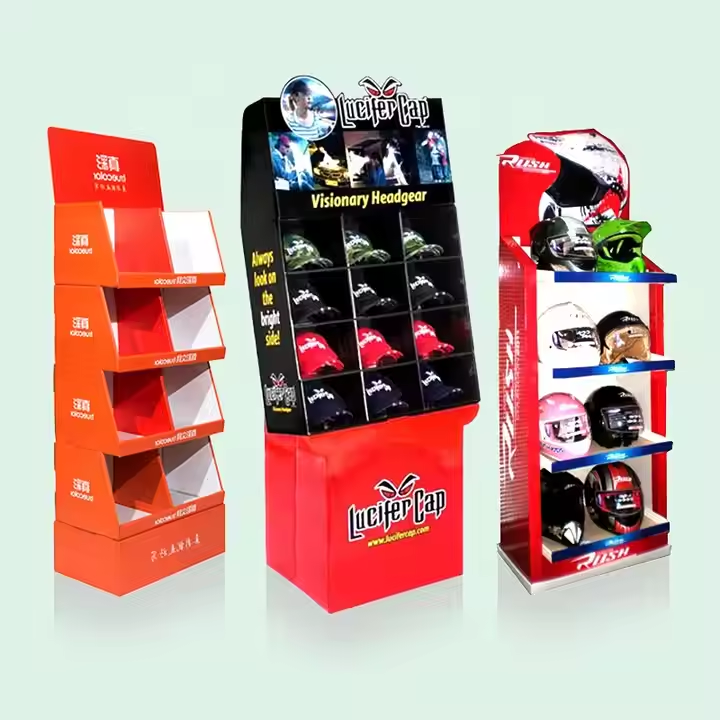
Next Article
What Is a Quality End‑Cap Display Rack
Trusted by These Featured Clients