
Custom Corrugated PDQ Tray Case Study
On June 6, 2026, Topwon received an inquiry for a custom corrugated PDQ tray. Wendy personally followed up on the inquiry and served as the client’s contact for the project.

The project started with a practical question: how should the tray be designed to fit the products and the intended retail space? Before confirming a structure, the product specifications, packing arrangement, and display requirements needed to be established.
Project Information Notice
This draft records the confirmed inquiry date and project contact. Product specifications, production dates, and delivery results should be completed using the actual project records before publication.
What the Client Needed
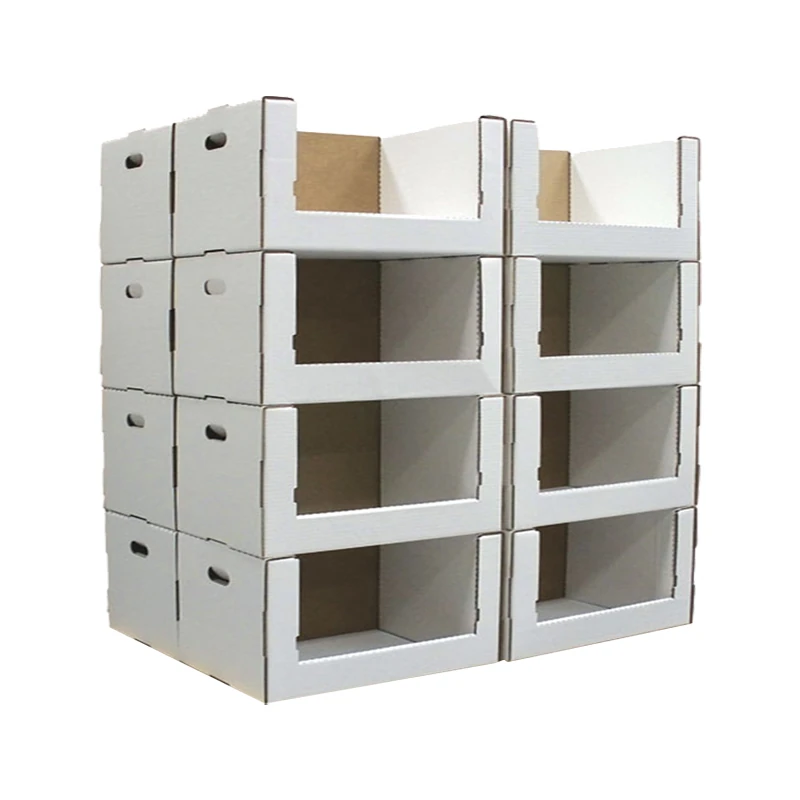
The initial inquiry concerned a custom corrugated PDQ tray. To prepare a relevant proposal, Wendy needed to clarify how the products would be packed, displayed, and handled.
The requirements to confirm included:
Product dimensions and filled weight.
Number of products per tray.
Number of product variants or separate compartments.
Available shelf or countertop space.
Brand artwork and printed information.
Whether trays would be supplied flat or assembled.
Whether the tray was for display only or part of a shipping-and-display system.
Order quantity and delivery requirements.
These details would determine the tray footprint, wall heights, internal layout, and packing method.
A reference image could help communicate the preferred appearance, but the final design needed to be assessed against the actual products.
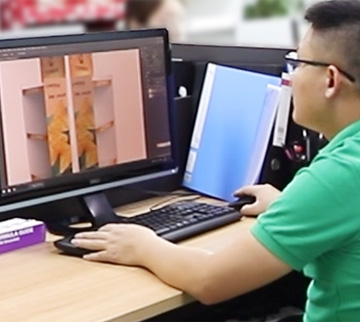
PDQ Tray Design
The proposed design should balance product visibility, organized placement, and practical handling. The following elements form the design brief; final specifications remain subject to the project records.
| Part | Design Consideration | Purpose |
|---|---|---|
| Tray footprint | Match the product arrangement and available retail space | Avoid an oversized or poorly fitting display |
| Front panel | Balance product visibility with product retention | Keep the display accessible and organized |
| Side and back panels | Set heights around the product and graphic requirements | Support the layout and provide branding areas |
| Base | Select the construction according to the loaded tray | Support the intended product quantity |
| Dividers or inserts | Include only where the product arrangement requires them | Separate variants and define product positions |
| Printed graphics | Place branding on panels visible during use | Keep the brand message visible after loading |
| Assembly method | Confirm folding, locking, or gluing requirements | Match the client’s packing workflow |
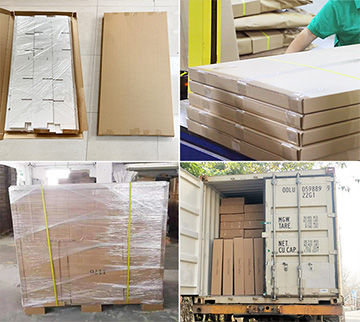
| Packing | Define flat or assembled supply and outer-carton requirements | Clarify handling and delivery arrangements |
If a removable hood or tear-away cover was required, it would need to be included in the structural proposal rather than added after the tray design had been approved.
Project Timeline
Wendy was the direct contact for the inquiry received on June 6, 2026. The table below separates that confirmed milestone from the later stages requiring verification.
| Stage | Date or Status | Main Work |
|---|---|---|
| Inquiry received | June 6, 2026 — confirmed | Wendy received and personally followed up on the custom corrugated PDQ tray inquiry |
| Requirements confirmation | Date to be confirmed | Establish product dimensions, weight, tray capacity, retail placement, and quantity |
| Quotation | Date to be confirmed | Prepare pricing against the agreed structure, printing, quantity, and packing |
| Structural design | Date to be confirmed | Develop the tray footprint, panel heights, base, and any internal components |
| White sample | Date to be confirmed | Review product fit, assembly, handling, and the loaded layout |
| Artwork preparation | Date to be confirmed | Position branding, product information, and required markings |
| Printed sample | Date to be confirmed | Review the printed appearance and final structure |
| Final approval | Date to be confirmed | Confirm the approved specifications before production |
| Mass production | Date to be confirmed | Produce trays according to the approved sample and order requirements |
| Inspection and packing | Date to be confirmed | Check the agreed quality points, quantity, and packaging |
| Shipment | Date to be confirmed | Confirm shipping marks, documents, and dispatch arrangements |
The inquiry date should not be used to calculate a fictional completion date. Each later milestone should be entered from the actual approval, production, inspection, or shipping records.
Key Checks Before Production
Before approving mass production, the project team should review the tray with the intended products.
Product Fit and Layout
Confirm the dimensions and filled weight of each product.
Load the intended quantity into the sample.
Check spacing between products and any dividers.
Confirm that product labels remain visible.
Review how the layout looks after some products have been removed.
Structure and Handling
Check the base and panel construction against the intended load.
Review the agreed method for lifting and moving a filled tray.
Confirm assembly steps and locking positions.
Test any removable cover or opening feature included in the design.
Record any changes required before final approval.
Printing and Packing
Confirm the logo, text, colors, and artwork version.
Check which printed panels remain visible after loading.
Verify required barcode or identification positions.
Confirm flat or assembled supply.
Approve outer-carton quantities, shipping marks, and packing instructions.
Any sample changes should be reflected in the final specification so the approved design and production instructions remain consistent.
Result
The confirmed starting point for this project is the inquiry received on June 6, 2026, with Wendy personally handling the follow-up.
The final project result remains to be documented. Before publishing this case study as a completed project, add the approved tray specifications, order quantity, shipment date, and any verified client feedback.
A useful final result section should explain:
What tray structure was approved.
How the design addressed the client’s specific requirement.
Whether any changes were made during sampling.
How the finished trays were packed and supplied.
What the client confirmed after receiving or using them.
Do not add sales improvements, transport-performance claims, or customer quotations without supporting records.
Discuss Your Custom Corrugated PDQ Tray Project
Preparing a similar project? Send Topwon your product dimensions, filled weights, quantity per tray, reference images, and delivery requirements.
Include the available retail space and explain whether you need a display-only tray or a packaging system designed to travel with products inside. These details provide a clearer starting point for discussing the structure, printing, sample, and quotation.