

Customized Counter Hook Display Stand Case Study for Convenience Store Desktop Display
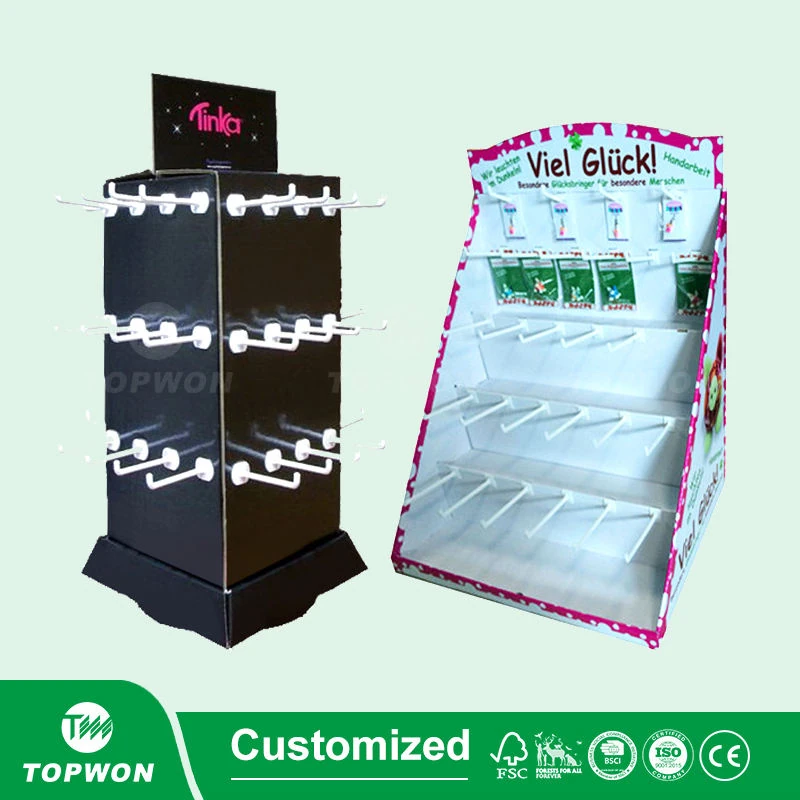
This case records the full launch process of custom desktop corrugated hook display stands for American convenience stores.

Jessica, our account manager, takes charge of all communication and follow-up work alone.
We follow the standard foreign trade workflow for custom corrugated display stands, covering design, production and delivery. The finished stands fully meet American convenience stores’ core demands: desktop placement, lightweight build, hook installation and easy storage. Every work stage has clear timelines and standard operating steps. This document fully shows our standardized service process for retail paper display orders from overseas buyers.
Inquiry Receipt & Demand Confirmation (Jan 12, 2026)
On January 12, 2026, Jessica receives an overseas inquiry from an American client running local chain convenience stores. The client wants custom desktop corrugated hook display racks to hold small snacks, accessories and daily goods at checkout counters. Following US retail display rules, the client lists clear requirements: compact size, stable load-bearing, eco-friendly recyclable paper, desktop-friendly layout, built-in hooks for small goods and custom brand printing. All materials must pass overseas environmental export standards.
Jessica finishes all follow-up tasks on the same day. She talks with the client online in English right away. She writes down all key details, including the client’s local usage scenarios, target product sizes, printing techniques, export material standards, estimated order quantity, delivery schedule and shipping rules. She also answers all the client’s questions about corrugated material choices, hook structure stability, minimum order quantities, foreign trade pricing and export procedures. After the chat, Jessica sorts out a full demand list, creates a new project file and locks the core customization plan.

Solution Design, Material Selection & Accurate Quotation (Jan 13, 2026)
On January 13, 2026, Jessica coordinates our design and technical teams to build a complete project solution. We pick E-flute corrugated paper as the main material to fit American desktop retail scenes and overseas environmental export rules. This material is light, flat and tough enough for small desktop displays. It is cost-effective, fully recyclable and supports clear color printing. It meets US retail environmental access standards and fits daily store use perfectly. For the client’s hook display needs, our team designs an integrated detachable hook structure. This design avoids glue or welding, keeps the rack neat and durable, and allows flat storage for overseas warehousing.
We finish the full customized plan on the same day. The plan clarifies overall stand sizes, structural craft, printing methods, load limits and export packaging standards. We calculate precise prices based on order volume, raw material costs, labor fees and extra foreign trade charges. Jessica checks the plan and quotation for mistakes, organizes all files into a standard foreign trade offer document and sends it to the client for review. She keeps in touch to collect the client’s feedback.
Initial Draft Design, Drawing Revision & Client Confirmation (Jan 14 – Jan 16, 2026)
On January 14, 2026, our design team starts to draw 2D structure blueprints, 3D renderings and die-cut drawings based on the confirmed plan. Jessica follows up every step closely and checks all design details to match the American client’s needs. She focuses on hook positions, hole sizes, overall proportions, logo printing areas and visual styles that fit US retail store aesthetics.
On January 15, 2026, the design team finishes the first set of drawings. Jessica sends all files to the client at once and actively collects revision requests. The client puts forward several adjustments: wider gaps between hooks, thicker base panels for better stability, optimized logo layout and simpler overall look. Jessica passes all requests to designers immediately for fast drawing updates.
On January 16, 2026, we complete final drawing edits, proofreading and internal review. The updated renderings, structure charts and die-cut drawings all receive signed confirmation from the client. We lock the final design to prevent late changes and lay a solid foundation for mass production and overseas shipment.
Contract Signing & Pre-production Material Preparation (Jan 17 – Jan 19, 2026)
On January 17, 2026, the client approves the design, price and delivery timeline without objections. Jessica drafts a standard foreign trade custom contract. The contract clearly states product specs, order quantity, craft standards, payment terms, production cycle, delivery date, export rules and after-sales support clauses. Both sides review and sign the contract, and the client pays the advance deposit. The project officially enters pre-production preparation.
From January 18 to 19, 2026, Jessica works with our production and purchasing teams to get ready for manufacturing. The purchasing team buys E-flute corrugated paper, printing ink and other raw materials matching drawing specs. All raw materials pass US environmental export tests. We double-check material thickness, specs and quality to meet production and export rules. Meanwhile, our production workshop makes custom die-cut tools according to drawings, adjusts machine settings and calibrates technical parameters to finish all pre-production preparations.
Sample Production, Quality Inspection & Final Client Approval (Jan 20 – Jan 22, 2026)
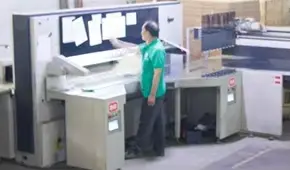
On January 20, 2026, our production workshop makes the first sample strictly following the final design. Workers finish cutting, color printing, creasing, gluing and hook assembly step by step. Jessica supervises the whole sampling process, watches every technical detail and fixes tiny craft deviations to make sure the sample reaches the overseas quality standard.
On January 21, 2026, the sample is complete. Our QC team runs full quality tests. Inspectors check structural stability, hook weight capacity, printing clarity, size accuracy, glue firmness and surface flatness. They eliminate cracking, printing flaws and size errors. The sample passes all tests and meets export quality standards.
On January 22, 2026, Jessica sends sample photos and full inspection reports to the client. She also ships the physical sample overseas. The client accepts the sample with no complaints and confirms this standard for mass production.
Mass Production & Whole-process Production Tracking (Jan 23 – Feb 5, 2026)
On January 23, 2026, the project moves into mass production. Our workshop follows sample standards, design drawings and foreign trade craft rules for large-scale manufacturing. Production steps include raw paper cutting, four-color printing, surface lamination, precise creasing, die-cut forming, manual gluing, hook assembly and initial flaw sorting.
Throughout the whole production cycle, Jessica tracks daily output and craft standards every day. She coordinates QC staff to carry out regular sampling and on-site inspections. The team focuses on consistent sizes, unified printing effects and stable structure to avoid defective batches. Jessica solves small production problems right away to keep manufacturing on track and make all finished goods meet overseas export delivery standards.
Final Full Inspection, Sorting & Export Packaging (Feb 6 – Feb 8, 2026)
On February 6, 2026, mass production fully wraps up. Our QC team runs 100% final inspection for all finished goods. Inspectors check appearance, structure, printing and load capacity of every stand. We separate defective products and rework them until they meet the client’s custom rules and foreign trade export quality requirements.
From February 7 to 8, 2026, workers sort and clean all qualified finished racks. We pack goods following international sea freight standards with shockproof, pressure-resistant and moisture-proof wrapping materials. We add separate protective layers for hook parts and printed surfaces to stop deformation, printing scratches, structural damage or dampness during cross-border transport. We mark batch numbers and clear quantity labels on every carton and create English packing lists to support smooth overseas customs clearance.
Shipment Arrangement & Logistics Follow-up (Feb 9, 2026)
On February 9, 2026, we finish all packing and internal acceptance. Jessica double-checks total shipment quantity, product specs, English delivery information and customs clearance documents. She arranges cross-border logistics to ship all goods. Right after shipment, Jessica sends the tracking number, packing list, estimated arrival port time and full clearance papers to the client. She tracks the transport status daily, updates shipping progress regularly and answers all the client’s questions about cross-border delivery to keep the whole shipping process transparent and traceable.
Client Receipt Inspection & Project Closure (Feb 12 – Feb 15, 2026)
On February 12, 2026, the American client receives all goods successfully. Jessica contacts the client quickly for post-delivery inspection support. She helps the client count product quantities, run random quality checks and test stand assembly. The client gives positive feedback: these custom desktop corrugated hook racks hold stable structures, show sharp printing, fit US convenience store checkout counters perfectly and fully match local retail standards and their original expectations. The client accepts all goods without any objections.
On February 15, 2026, the client pays the full balance payment. Jessica collects all project files including demand lists, design drawings, signed contracts, QC inspection reports, export customs papers and shipping receipts. She files all documents for storage. She also follows up with the overseas client for feedback records and fully closes this foreign trade custom display stand project.
Jessica takes full one-on-one charge of this foreign trade project for custom desktop hook corrugated display racks for American convenience stores. She oversees every stage: overseas inquiry communication, foreign trade plan design, drawing confirmation, pre-production preparation, sample testing, mass production, export packaging, cross-border shipment and overseas acceptance. All stages carry clear timelines and standardized foreign trade workflows. We face zero design changes, quality defects or delivery delays during the whole project.
We build all products strictly following US environmental rules and local retail display standards. The final finished racks fit overseas in-store scenes well with solid structure, clean appearance and competitive price, winning high praise from the American client. This project also upgrades our full service system for overseas small desktop corrugated display orders, covering customization, production and export delivery. It creates a mature reference workflow for similar future foreign trade projects.
Confidentiality Statement
This project serves an American chain convenience store brand. Per our mutual non-disclosure agreement, we will not reveal the client’s real company name, brand information or exclusive commercial data. All product renderings and store scene pictures in this document are generic reference materials. They do not show the client’s actual products, in-store racks or real installation scenes. This case only demonstrates the full customization process and service system of corrugated display stands. It will never leak any confidential business information of the client.