

12 Types of Surface Treatment Processes in the Display Rack Industry
By Shenzhen Topwon Group Co.,Ltd
Dec 08, 2025
In the packaging and display rack industries, there are numerous specialized terms. Among these, surface treatment processes represent one of the most critical production steps. Below, Topwon introduces twenty common surface treatment techniques:
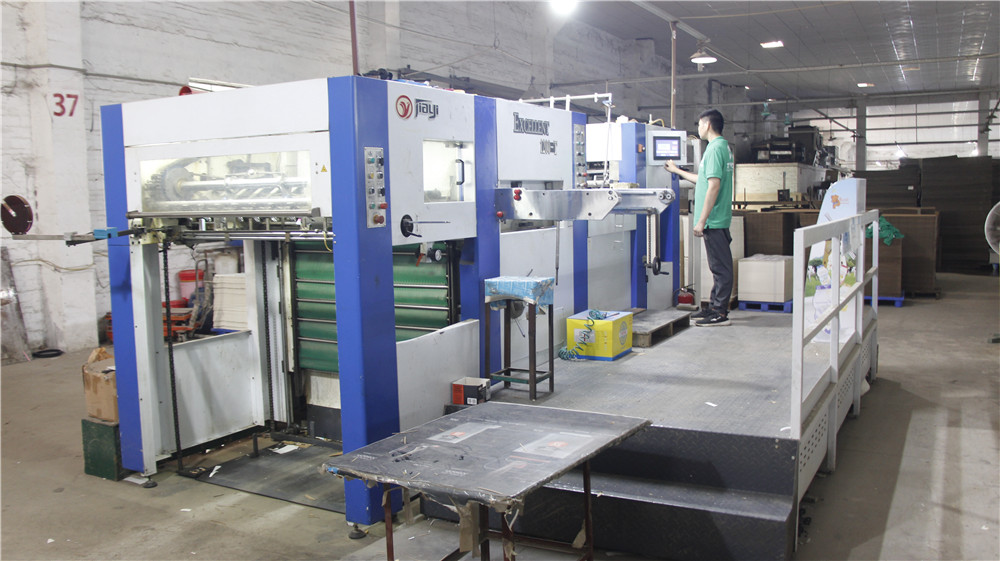
Die-Cutting
Also known as press forming or die-cutting, this technique shapes paper boxes into specific forms. During the process, steel blades are arranged into dies or frames mounted on a die-cutting machine to remove unwanted sections from printed paper as it passes through.
This is the legendary die-cutting machine, with the raised center section designed to hold the die. Paper passes through from right to left, undergoing die-cutting in the middle, with finished products stacked in the open space on the left.
UV Coating
Distinguished as full UV or spot UV, this is a screen printing technique where UV varnish is applied to the surface of color boxes to enhance the vibrant effect of printed materials.
Lamination
Two film types exist: reflective glossy film and matte film. Using heat-press technology, the film is bonded to the packaging surface, making it smoother while providing waterproofing, stain resistance, abrasion resistance, fold resistance, and corrosion resistance.
However, plastic films are difficult to degrade, making them less environmentally friendly. Hence, an alternative process emerged: varnishing.
Varnishing and Waxing
Applying a layer of colorless transparent coating to the printed surface enhances gloss and provides waterproofing and oil resistance. This creates a glossy film that improves vibrancy and acts as an effective barrier. Waxing involves coating packaging paper with hot-melt wax.
Some high-end printing presses can perform post-printing gloss coating immediately. Fenggao Printing’s Koenig & Bauer 145 in Foshan, Guangdong, China, is one such capable machine.
Gold/Silver Foil Stamping
Options include gold, silver, holographic gold, antique bronze gold, etc. Stamping is typically applied after lamination. Film output requires registration marks. Stamping effects vary widely and are categorized by substrate: foil paper, velvet fabric, plastic, etc.
Embossing/Debossing
Using embossing/debossing dies, the packaging box deforms under pressure.
Frosted Finish
Also known as reverse frosting or reverse glossing, this requires multiple applications of special base coats or varnishes. The packaging surface develops areas of high gloss contrasted with frosted matte zones. This striking duality accentuates glossy graphics.
Hot Stamping
Also known as hot stamping, this process involves creating a raised die of the desired pattern or text. Under specific pressure and temperature, various aluminum foils are transferred onto the substrate, producing a strong metallic sheen that lends the product a premium texture. Additionally, aluminum foil’s excellent physical and chemical properties provide protective benefits for printed materials. Consequently, hot stamping is widely adopted in modern packaging printing.
Ice Point Snowflake
This effect is created by screen printing ink onto substrates like gold cardstock, silver cardstock, holographic cardstock, or PVC. After UV light exposure causes the ink to wrinkle and undergo UV curing, a finely textured, sand-like surface with a delicate tactile feel forms on the printed material. Resembling a layer of fine snow or ice on the printed surface, this effect is commonly termed “snowflake” (for larger patterns) or “ice point” (for smaller patterns) within the industry. Characterized by intricate patterns, strong three-dimensionality, and a luxurious, elegant appearance, this technique is extensively used for cigarette and liquor boxes, wall calendars, gift packaging, and other premium printed materials.
Laser Transfer
Offering dazzling visual effects that significantly elevate packaging sophistication, this process prints full-coverage or partial transparent holographic patterns on smooth standard paper. It revolutionizes traditional methods—which required holographic paper or laminating specialized holographic film—by enabling flexible, versatile holographic designs.
Embossed Foil Stamping
This technique employs modified foil stamping plates to achieve a more pronounced metallic and three-dimensional effect. Through the raised and recessed variations of embossed patterns, graphics exhibit a metallic relief-like texture, making foil-stamped designs appear to leap off the surface for heightened visual impact.
Lithographic Paper
A highly sophisticated paper material integrating multiple advanced technologies: selective embossing, holographic laser anti-counterfeiting, vacuum aluminum coating, paper-plastic composite slitting, and register printing. This breakthrough transcends traditional single-pattern laser effects, delivering uniquely dazzling visual appeal. Its distinctive anti-counterfeiting features render replication impossible while enabling consumers to instantly verify authenticity.
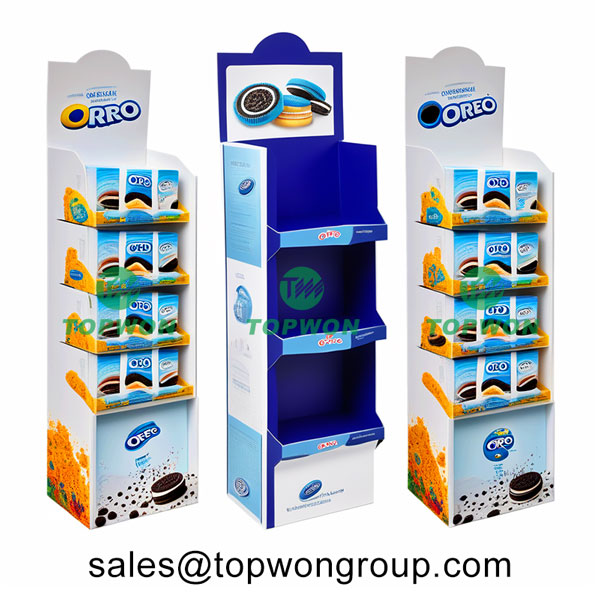
In summary, these represent the twelve most common surface treatment techniques in the packaging industry. However, with ongoing technological advancements, new surface treatment processes are likely to emerge continuously.
Previous Article
Three Key Directions for Upgrading the Corrugated Packaging Printing Industry
Next Article
Got a cardboard floor display design Here’s the complete guide from launch to viral success!
Trusted by These Featured Clients